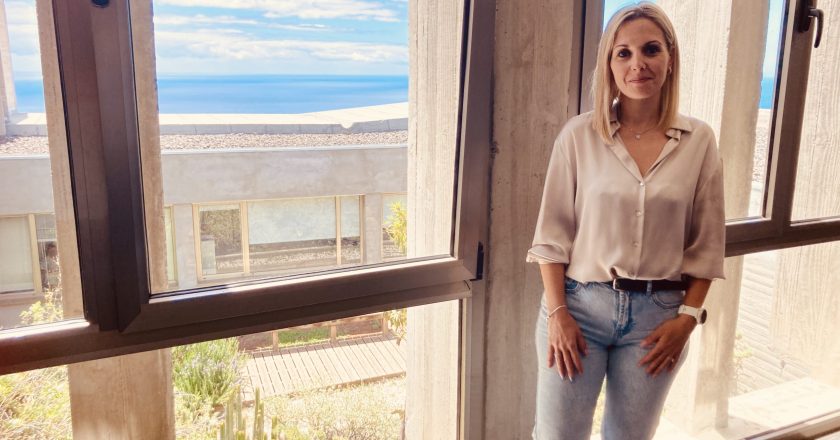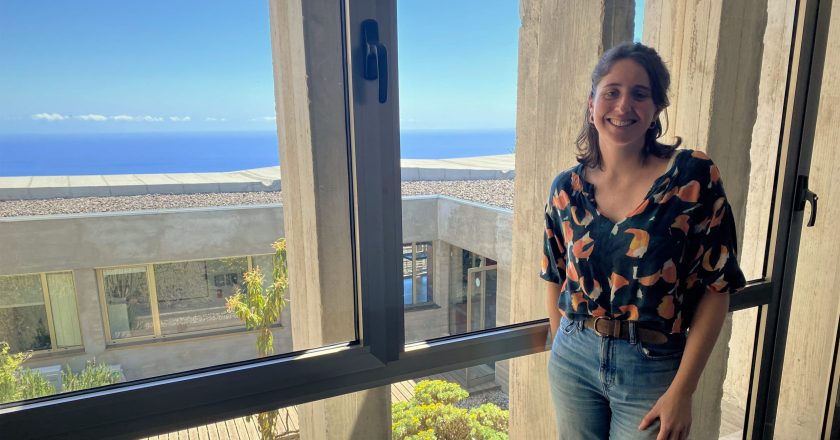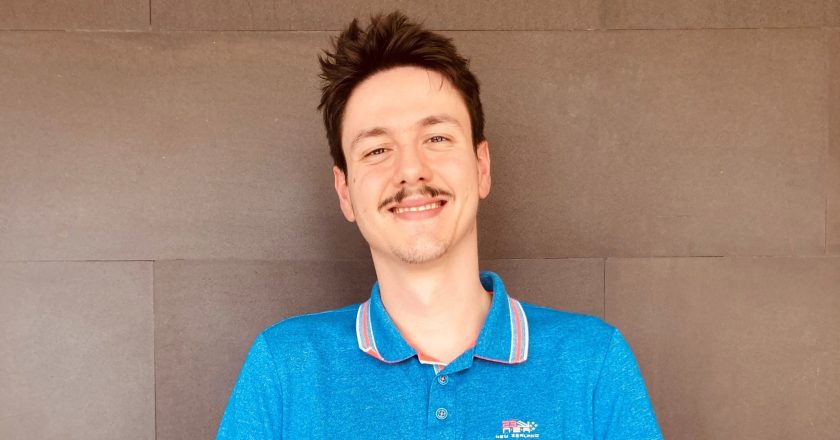
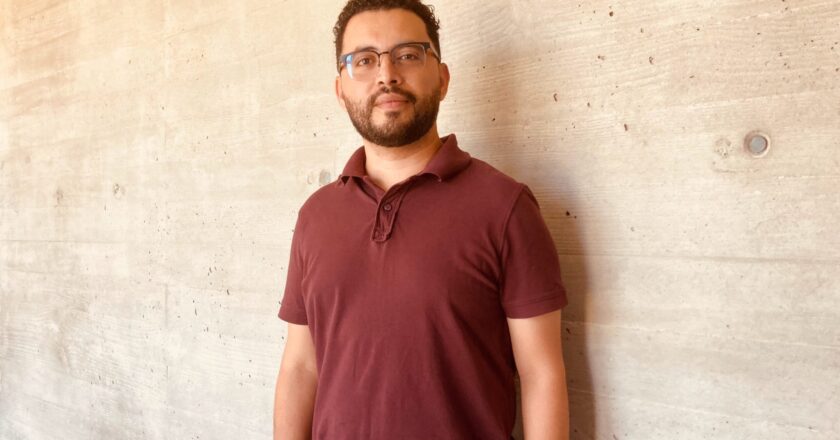
Scientific visit: Javier Zambrano Melín

Javier Zambrano Melín holds a Bachelor’s degree in Nursing, a Master’s degree in Medical Sciences, and is currently pursuing a PhD in Public Health Sciences. His professional career combines clinical, teaching, and research experience, with a particular focus on health economic evaluations and the study of early-stage chronic kidney disease.

What was the purpose of the visit?

To improve the analysis of the economic and health benefit data related to my doctoral research and to deepen my knowledge of health technology assessment.

Why did you choose SESCS?

I chose SESCS because of the expertise and experience of its professionals. After learning about their backgrounds, I developed high expectations, which were more than exceeded during my stay.

How will you apply, or how might you benefit from, the activities conducted in collaboration with SESCS in your current professional work?

Without a doubt, this was an invaluable opportunity to refine the results of my doctoral thesis. I will now focus on writing and discussing my findings so that I can complete my PhD in the near future. I will also continue contributing to reports developed by SESCS and work to incorporate health technology assessment into academic teaching.

Did this visit meet your expectations?

Absolutely. The experience exceeded my expectations. Dr. Lidia García Pérez, together with the entire SESCS team, consistently supported my learning, helped strengthen my analyses, and generously shared their extensive practical and theoretical knowledge.

Comments or suggestions:

I am deeply grateful for this academic stay and sincerely hope to have the opportunity to return to the island of Tenerife someday.
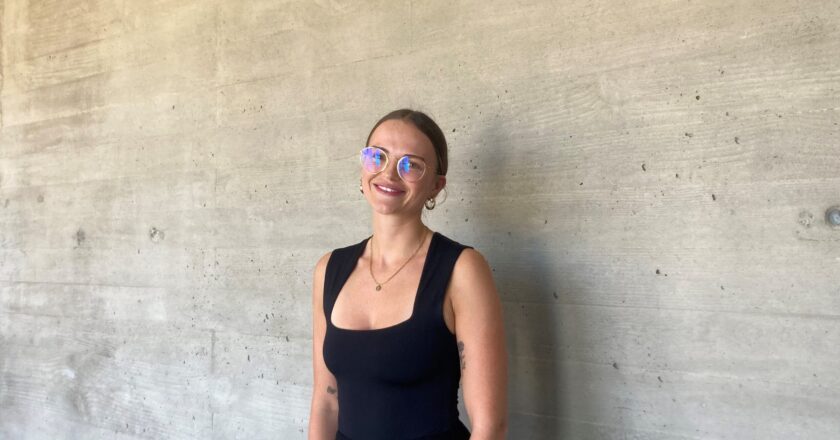
Scientific visit: Ellen Sterzik

Ellen Sterzik holds a degree in Psychology and is a specialist in Third-Generation Contextual Therapies from the Universidad de La Laguna.

What was the purpose of the visit?

A collaboration grant from the Universidad de La Laguna.

Why did you choose SESCS?

My academic tutor introduced me to the service, explaining the work and projects carried out there. I saw it as an opportunity to broaden my knowledge in evaluation and research.

How will you apply, or how might you benefit from, the activities conducted in collaboration with SESCS in your current professional work?

Access to up-to-date reports from GuíaSalud, as well as sharing information about PyDeSalud with family and friends. In addition, the knowledge gained from systematic reviews.

Did this visit meet your expectations?

Absolutely.

Comments or suggestions:

I’ve been very lucky to meet people so willing to help and support at all times. I’ve felt very comfortable since day one. It’s a great team!

Scientific visit: Cristina Barrufet González

Cristina Barrufet González holds a degree in Nursing from the Escola Superior d’Infermeria del Mar (2018), a Master’s Degree in Public Health from Universitat Pompeu Fabra (2021), and is currently enrolled in the Biomedicine doctoral program at the same institution. Since 2019, she has been the nurse for the Colorectal Cancer Screening Program in the Epidemiology and Evaluation Service at Hospital del Mar. She is also a member of the Epidemiology and Evaluation Research Group at the Hospital del Mar Research Institute, focusing on risk-based early detection of colorectal cancer and the development of new communication strategies.

What was the objective of the visit?

The main objective was to learn from their extensive experience in the field of co-creative methodology and person-centered care, areas that align with my doctoral thesis project. Additionally, I aimed to exchange experiences and expand my knowledge of shared decision-making tools, as well as to work in person on a joint project that includes a cost-effectiveness analysis. Finally, I sought to identify potential future collaboration opportunities and establish synergies within the framework of RICAPPS.

Why did you choose SESCS?

Both institutions collaborate on the FIS project “PI20/00009 Personalised colorectal cancer screening: feasibility assessment of a tailored risk-based approach.” There is a long-standing partnership between both groups, so when our team expressed interest in starting a project that included co-creative methodology, the suggestion to carry out a research stay at SESCS to learn from their experience in this field naturally emerged.

How will you apply, or how might you benefit from, the activities conducted in collaboration with SESCS in your current professional work?

A corto plazo, las actividades realizadas en colaboración con el SESCS se reflejarán en el diseño del proyecto de investigación de mi tesis doctoral, así como en el desarrollo del proyecto FIS conjunto, que abordaremos durante el próximo año. A medio y largo plazo, se contempla la posibilidad de participar en futuros proyectos a nivel nacional y de establecer colaboraciones en el marco de la RICAPPS.

In the short term, the activities carried out in collaboration with SESCS will be reflected in the design of my doctoral thesis research project, as well as in the development of the joint FIS project, which we will address over the coming year. In the medium and long term, there is the possibility of participating in future national projects and establishing collaborations within the framework of RICAPPS.

Did this visit meet your expectations?

Undoubtedly, despite the short duration of the stay (5 days), the researchers at SESCS welcomed me warmly and organized highly engaging activities. These included in-person work on joint projects, participation in virtual co-creation sessions, informative meetings with key area representatives and researchers from the Person-Centered Care group, as well as participation in the group’s sessions. I consider this stay an excellent opportunity to strengthen current collaborations and identify future lines of action.

Comments or suggestions:

Although it was a very brief stay, it was extremely intense both professionally and personally. Getting to know the SESCS team has been a truly rewarding and heartfelt experience.

Scientific visit: María Rodríguez García

María Rodríguez García (For citations/databases: M. Rodriguez-Ayllon) holds a degree in Physical Activity and Sports Sciences from the University of Granada. In 2017, she began her Ph.D. in Biomedicine, where she explored the role of physical activity on mental and brain health during childhood and adolescence. In 2020, she earned her Ph.D. from the University of Granada with international distinction and was awarded the Extraordinary Doctorate Award.

In 2021, she received a two-year international scholarship from the Ramón Areces Foundation to continue her research at the Erasmus University Medical Center in Rotterdam (Netherlands). During this period, she was constantly surrounded by researchers from various fields, which allowed her to view health from a multidisciplinary, person-centered perspective. Additionally, she published articles in high-impact journals (such as JAMA Psychiatry). She also received further funding from the Alicia Koplowitz Foundation and participated as an expert in physical activity and health in European networks focused on preventive and personalized medicine, such as ALIVE (A Life Course and Individual-based View on Lifestyle to Enhance Health) and ExACT (European Network Staff Exchange for Integrating Precision Health in Health Care Systems). Her professional journey is marked by its international and multidisciplinary nature, as well as her approach to health from a preventive, individualized perspective—key aspects for advancing toward a more active, healthy society.

In 2024, she joined the Biomedical Research Center of Málaga under a postdoctoral Sara Borrell contract within the SAMSERAP research group, which specializes in designing, developing, and evaluating digital tools for the prevention of common mental disorders such as depression and anxiety. Her goal is to increase physical activity levels in young people and protect their mental health through a multidisciplinary, individualized, inclusive, and innovative approach.

What was the objective of the visit?

  • To learn about ongoing projects at SESCS.
  • To establish new synergies among groups and strengthen existing ones.
  • To learn about co-creation methodologies and person-centered care.
  • To learn about the implementation of digital tools within the National Health System.
  • To learn about systems and tools for evaluating digital health tools, especially those that aid in shared decision-making between professionals and patients.

Why did you choose SESCS?

Because I admire its values and approach to healthcare from a preventive, multidisciplinary, and person-centered perspective. Also, for its expertise in co-creation, development of decision-making support tools, patient empowerment, and the evaluation and implementation of digital tools within the healthcare system.

How will you apply, or how might you benefit from, the activities conducted in collaboration with SESCS in your current professional work?

By incorporating the knowledge I gained into my current and future research projects. During my stay at SESCS, I understood the importance of ensuring that scientific results are useful, accepted, and transferable to our society.

Did this visit meet your expectations?

Yes, and they were even exceeded, not only due to the scientific and professional quality but also due to the human quality.

ESPERANZA VARELA MORENO es Licenciada en Psicología, Máster en Psicología de la Salud y Doctora en Psicología por la Universidad de Málaga

Scientific visit: Esperanza Varela Moreno

Esperanza Varela Moreno holds a degree in Psychology, a Master’s in Health Psychology, and a Ph.D. in Psychology from the University of Málaga. She currently works as a researcher in the Research and Innovation Unit of the Costa del Sol University Hospital, within the BA-14 group on Translational Research in Cancer and Other Prevalent Chronic Diseases at IBIMA, led by Dr. Maximino Redondo Bautista. Her doctoral thesis focused on the cost-effectiveness analysis of a web-based psychological intervention program, “Sonreír es Divertido,” for treating depression in individuals with type 2 diabetes (PI16/01746). Her research focuses on mental health, chronic illness, and eHealth treatments, with a well-established track record of collaborating on research projects with competitive funding at both the national and European levels. Notably, she has been and continues to be a member of various national research networks, such as the Health Services Research Network for Chronic Diseases (REDISSEC), which concluded in 2002, and the current Network for Research on Chronicity, Primary Care, and Health Promotion (RICAPPS), both accredited by the Carlos III Health Institute. Furthermore, her ongoing involvement since 2011 in “Psychoeducational Support Groups for People with Type 1 Diabetes Mellitus” with the Patient School (Andalusian Health Service), alongside Dr. Ruiz de Adana Navas, has enabled her to provide psychoeducational support to these patients and to participate as Co-PI in adapting this program to an online format during the COVID-19 lockdown, an effort recognized with a Young Researchers Grant from the Spanish Diabetes Society in 2022. Currently, she collaborates as a researcher on national and international projects such as the “MyDiaMate (SRA-2023-1286-M-B)” project funded by the Juvenile Diabetes Research Foundation, which examines the efficacy of a web application to reduce distress in patients with type 1 diabetes; oncology projects (PI22/00020; PI21/00252); and projects on the implementation of online therapies in mental health (PI21/01328; PI19/01131).

What was the purpose of your visit?

To establish synergies and collaborations between two research groups within the RICAPPS. Additionally, to draw upon the extensive experience of this research group in working on projects related to chronic diseases, new technologies, and their notable focus on shared decision-making and person-centered care.

Why did you choose SESCS?

I chose SESCS because of our shared research interests in eHealth, diabetes, and breast cancer.

How will the activities conducted in collaboration with SESCS be useful in your current professional work?

The activities have influenced my understanding of developing and implementing health projects from a more person-centered perspective, focusing on the needs and experiences of the individual.

Were your expectations met during this visit?

My expectations have been exceeded during this visit, so I would highly recommend that other researchers with similar interests consider spending a week working at SESCS.

Comments or suggestions:

I only have words of gratitude for the warm welcome and treatment I received.

DM1; proyectos en el área de oncología (PI22/00020; PI21/00252) y proyectos sobre la implementación de terapias online en salud mental (PI21/01328; PI19/01131).

Gina Domínguez Armengol, graduada en Farmacia en la Universidad de Barcelona

Scientific visit: Gina Domínguez Armengol

Gina Domínguez Armengol graduated in Pharmacy from the University of Barcelona in 2018 and later completed a Master’s in Global Health Research at the Vrije Universiteit Amsterdam in 2021. She gained experience working in public health at the Epidemiological Surveillance Service of the Barcelonés Nord i Maresme region. Currently, she serves as a research technician at IDIAP Jordi Gol in Girona, where, in addition to participating in research projects, she is also involved in coordinating the implementation of projects related to cardiovascular health, such as the HELENA Project (a cardiovascular disease prevention program based on risk screening with the Ankle-Brachial Index).

What was the purpose of your visit?

We are currently developing a shared decision-making tool (HATDC) for peripheral arterial disease (PAD) as part of the HELENA Project. We are in the initial phase of exploring the needs of people with PAD and from the perspective of healthcare professionals. The purpose of the visit was to conduct a preliminary thematic qualitative analysis of the interviews and to determine how to translate this information for the development of the HATDC. Additionally, we aimed to define the publications that could arise from this initial phase.

Why did you choose SESCS?

I chose SESCS because we were already collaborating on the HELENA-HATDC project due to the group’s expertise in the development of HATDC and patient-centered research, as well as their extensive experience with qualitative research studies.

How will the activities conducted in collaboration with SESCS be useful in your current professional work?

The activities we carried out in recent days with the SESCS group, particularly with Analía Abt Sacks, will equip me with the necessary skills to conduct a thematic analysis during this initial phase of the HELENA-HATDC Project. Additionally, it will boost my confidence and experience in this type of analysis, allowing me to apply it to other qualitative projects my team is developing. Furthermore, the insights provided by my expert colleagues in HATDC development will be crucial in advancing this project.

Were your expectations met during this visit?

Absolutely. Besides giving me a clear understanding of how to conduct the study and develop the HATDC, they also prompted me to reflect on certain aspects of the project design. This includes identifying areas where we need to gather more information or considering additional studies, such as the cost-effectiveness analysis of the HATDC. These reflections are key to developing this project and ensuring its quality.

Comments or suggestions:

I want to express how much I enjoyed my time at SESCS. It has been a true pleasure to meet almost the entire team. I felt incredibly welcomed and enjoyed every moment of my stay. I want to extend a special thanks to Analía for her dedication over these past days. Thank you for answering all my questions and for motivating me to reflect and acquire new knowledge. Your support has been invaluable, and I truly appreciate it.

David Abbad Gómez es un graduado en Medicina por la Universidad Autónoma de Barcelona

Scientific visit: David Abbad Gómez

David Abbad Gómez is a graduate in Medicine from the Autonomous University of Barcelona (2020) and holds a Master’s in Public Health from Pompeu Fabra University in Barcelona (2023). He is currently pursuing a PhD in Biomedicine at the same institution. He is currently working as a Resident Physician in Preventive Medicine and Public Health at Hospital del Mar in Barcelona. His responsibilities include actively collaborating with the research team of the Epidemiology and Evaluation Service at the hospital, through the Hospital del Mar Research Institute, with a focus on multimorbidity and long-term survivors of breast cancer.

What was the purpose of your visit?

As part of my training as a resident and researcher, I wanted to understand the work of a team specializing in economic evaluation, explore the possibilities of incorporating concepts and methodologies into my current projects, and use this experience as a starting point to delve deeper into the field of Economic Evaluation. After some theoretical training on the topic, I had a personal curiosity to gain deeper knowledge, actively participate in a related project, and enhance my skills. The opportunity to include a partial economic analysis in my thesis arose, and I aimed to improve and apply it extensively in my future career.

We also used my visit to discuss and share, in person, the possibilities we saw in the joint CONCEPT-SURBCAN project and to collaborate more closely.

Why did you choose SESCS?

Currently, both institutions are working together on the CONCEPT-SURBCAN project to conduct the cost analysis of the cohort, and on the qualitative aspect of the FOLLOW-UP SURBCAN project. Additionally, both are part of RICAPPS, which had already established communication between the two parties. My mentors and supervisors, who were somewhat familiar with the team, encouraged me to plan a visit as they considered it an ideal place to learn and to satisfy my curiosity on the subject.

Moreover, due to the joint CONCEPT-SURBCAN project, my experience with the cohort could contribute to mutual support and benefit both parties from my visit.

How will the activities carried out in collaboration with SESCS be useful in your current professional work?

What I have observed in these days will help me address the partial economic analysis proposed for my thesis. In addition to this initial assistance, seeing the types of projects, methodologies, and materials used has broadened my perspective on economic evaluation and has opened up possibilities for my future. My interest in the topic has only increased, and I am convinced that it will help me conduct more complex analyses in the future.

Did your expectations for this visit meet?

Completely.

Comments or suggestions:

One thing I would like to highlight from these days, which is not reflected in the previous questions, is the great human quality of the team and the immense pleasure of meeting everyone. I am eager to continue collaborating in the future.