
Scientific visit: Javier Zambrano Melín

Javier Zambrano Melín holds a Bachelor’s degree in Nursing, a Master’s degree in Medical Sciences, and is currently pursuing a PhD in Public Health Sciences. His professional career combines clinical, teaching, and research experience, with a particular focus on health economic evaluations and the study of early-stage chronic kidney disease.

What was the purpose of the visit?

To improve the analysis of the economic and health benefit data related to my doctoral research and to deepen my knowledge of health technology assessment.

Why did you choose SESCS?

I chose SESCS because of the expertise and experience of its professionals. After learning about their backgrounds, I developed high expectations, which were more than exceeded during my stay.

How will you apply, or how might you benefit from, the activities conducted in collaboration with SESCS in your current professional work?

Without a doubt, this was an invaluable opportunity to refine the results of my doctoral thesis. I will now focus on writing and discussing my findings so that I can complete my PhD in the near future. I will also continue contributing to reports developed by SESCS and work to incorporate health technology assessment into academic teaching.

Did this visit meet your expectations?

Absolutely. The experience exceeded my expectations. Dr. Lidia García Pérez, together with the entire SESCS team, consistently supported my learning, helped strengthen my analyses, and generously shared their extensive practical and theoretical knowledge.

Comments or suggestions:

I am deeply grateful for this academic stay and sincerely hope to have the opportunity to return to the island of Tenerife someday.

Predictores sociodemográficos y clínicos de la adherencia a los antidepresivos en los trastornos depresivos: una revisión sistemática con un metanálisis

Ozone Treatment in the Management of Chemotherapy-Induced Peripheral Neuropathy: A Review of Rationale and Research Directions

Bernardino Clavo, Ángeles Cánovas-Molina, Mario Federico, Gregorio Martínez-Sánchez, Gretel Benítez, Saray Galván, Yolanda Ramallo-Fariña, Himar Fabelo, Sara Cazorla-Rivero, Elba Lago-Moreno, Carla Antonilli, Juan A. Díaz-Garrido, Ignacio J. Jorge, Gustavo Marrero-Callico, Delvys Rodríguez-Abreu, Francisco Rodríguez Esparragón.

SIMPLE SUMARY

Chemotherapy-induced peripheral neuropathy (CIPN) is a common side effect of chemotherapy. CIPN can lead to a dose reduction and/or the interruption of chemotherapy, limiting its effectiveness, while chronic CIPN decreases patients’ quality of life. Unfortunately, the only evidence-based treatment for CIPN-related pain, duloxetine, provides only a modest clinical benefit, and there is no effective clinical management option for numbness and tingling. This narrative review summarizes the mechanisms underlying CIPN and the effects of ozone. It also summarizes experimental studies (18) and clinical reports (27) published between 1995 and 2025 that offer preliminary evidence supporting the potential role of ozone treatment in managing CIPN and highlight the need for ongoing randomized clinical trials to establish its efficacy.

ABSTRACT

Background:

Chemotherapy-induced peripheral neuropathy (CIPN) is a common side effect of chemotherapy. CIPN can lead to a dose reduction and/or the interruption of chemotherapy, limiting its effectiveness, while chronic CIPN decreases patients’ quality of life. Improvements in cancer treatment and patients’ survival have increased the number of patients living with CIPN. The only evidence-based treatment for CIPN-related pain, duloxetine, provides only modest clinical benefit, and there is no effective clinical management option for numbness and tingling. Several experimental studies and clinical reports suggest that adjuvant ozone treatment may be beneficial in managing CIPN.

Methods:

This narrative review aims to provide an overview of current knowledge regarding CIPN and ozone therapy. Specifically, it summarizes experimental studies (18) and clinical reports (27) published between 1995 and 2025 that offer preliminary evidence supporting the potential role of ozone treatment in managing CIPN, highlighting the need for ongoing randomized clinical trials to establish its efficacy. Additionally, this review highlights existing gaps in the literature and proposes directions for future research.

Results:

The hypothesized mechanisms of action and experimental findings suggest that ozone therapy may be a valuable intervention for CIPN, a concept supported by preliminary clinical observations.

Conclusions:

Clinically relevant approaches for established CIPN are currently unavailable. While preliminary data suggest a potential role of ozone therapy, clinical evidence remains limited. Further high-quality randomized controlled trials are needed to confirm its efficacy and safety in this context; several trials are currently ongoing.

You can read the full article here.

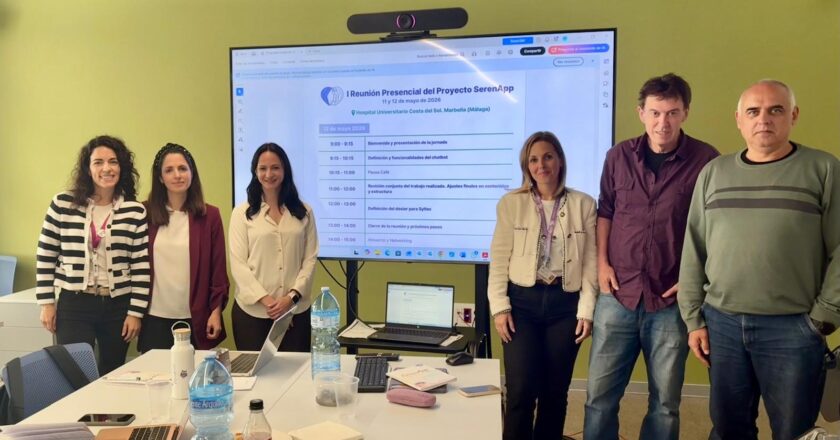
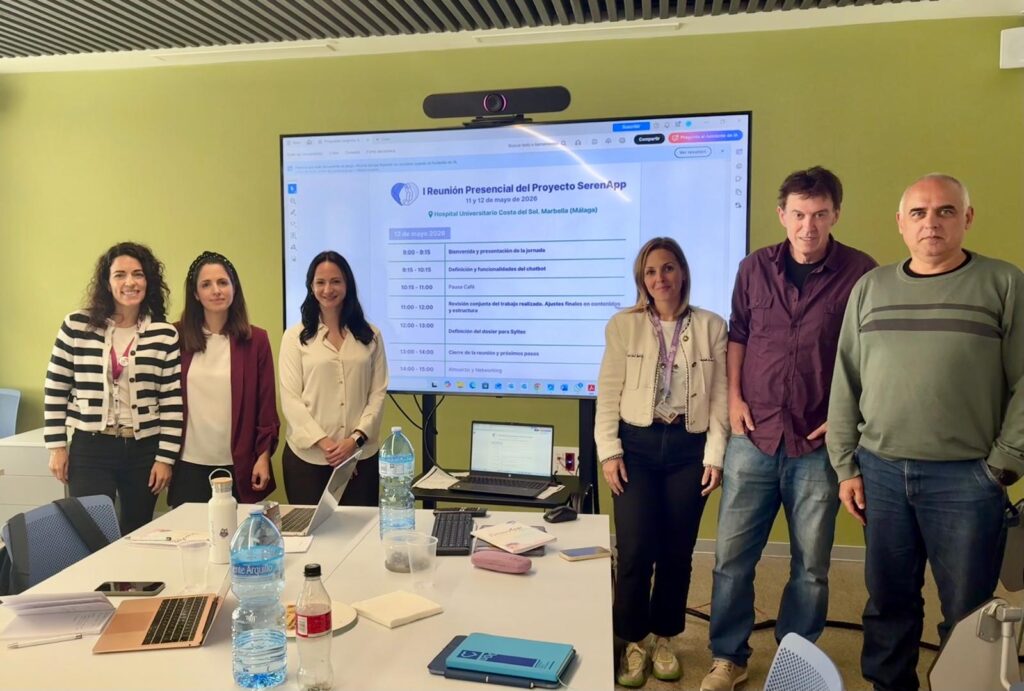
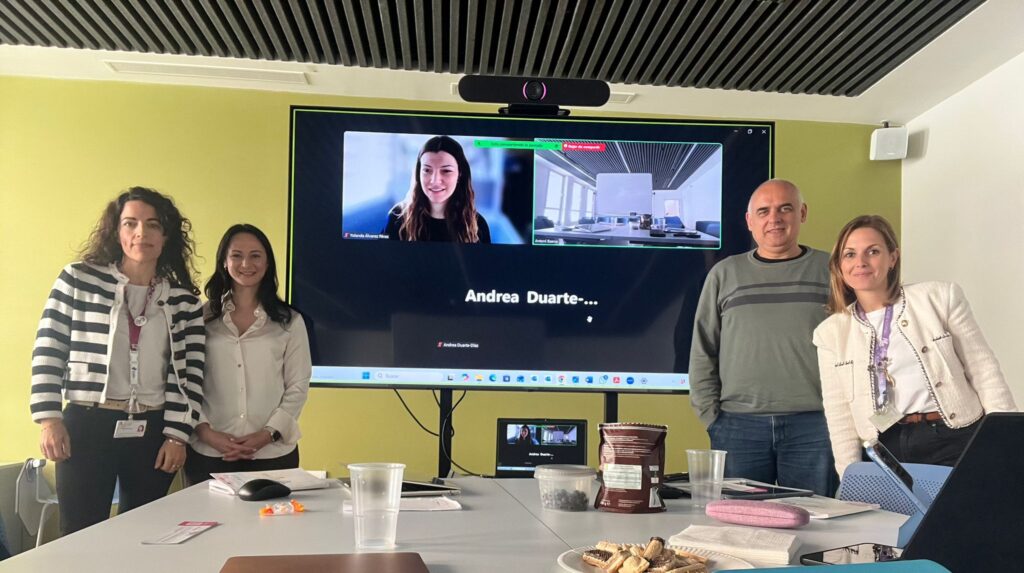
First Meeting of the SerenApp Project at the Hospital Universitario Costa del Sol

Researchers from the Service for the Evaluation of the Canary Islands Health Service (SESCS) participated last week in the First Meeting of the #SerenApp Project, held at the Hospital Universitario Costa del Sol (Marbella, Málaga).

During the working sessions, the team made progress in defining the content, structure, and functional requirements of #SerenApp, an application aimed at supporting the emotional well-being and recovery of women survivors of breast cancer.

The meeting enabled joint work on different app modules related to emotional management, self-esteem, psychological coping, recovery, and other digital support resources, as well as defining next steps for the development of the project.

On behalf of SESCS, the participating researchers were Vanesa Ramos García, Yolanda Álvarez Díaz, and Andrea Duarte Díaz, together with the principal investigator of the project, Irene Zarco Pedrinaci, and the co-investigator Esperanza Varela Moreno, as well as other members of the unit and the project.

Project funded by the Ministry of Science, Innovation and Universities, the Carlos III Health Institute (Ref. PI24/01193) and co-funded by the European Union.

Predictores sociodemográficos y clínicos de la adherencia a los antidepresivos en los trastornos depresivos: una revisión sistemática con un metanálisis

SESCS PUBLICATION: Health outcomes in caregivers after a continuous group-based educational intervention strategy

María Paula Martín-Andrade, Aroa Camejo-Guerra, Dolores María Ruano-López, Raquel del Rosario Medina-Ponce, Andrea Duarte-Díaz, Beatriz Candela-Angulo, Francisco J. Navarro-Vázquez, Juan José Suárez-Sánchez, Lilisbeth Perestelo-Pérez, Vanesa Ramos-García, Ana Isabel Barreno-Estévez, Yolanda Alvarez-Perez

ABSTRACT

Background:

The increase in life expectancy and chronic diseases has raised the complexity and burden of caring for patients with chronic conditions. This study evaluates a group-based educational intervention aimed at caregivers of these patients, focusing on caregiver burden, mental health, quality of life, and health literacy.

Methods:

A quasi-experimental design with a control group was used. The experimental group participated in a 16-session workshop, while the control group received no intervention. Caregiver burden (Zarit Burden Interview, EZA), mental health (Goldberg Anxiety and Depression Scales), quality of life (EQ-5D-5L), family caregiver quality of life (ICUB-97-R), and acquired knowledge were assessed before and after the workshop, as well as at a 3-month follow-up.

Results:

A total of 37 participants (mean age 55.2 years) took part, of whom 35.1% had been caregivers for more than 10 years. Results showed significant improvements in acquired knowledge post-intervention (p = 0.033) in favour of the experimental group. Within-group analyses showed a significant improvement in caregiver impact (ICUB-97-R burden subscale) in the experimental group after the intervention (p = 0.023), while the control group showed a significant worsening in caregiver burden and anxiety. At follow-up, significant improvements in anxiety and depression were observed in the experimental group. Overall, 78% of caregivers rated the workshop sessions positively.

Conclusion:

The group workshop showed beneficial effects on caregivers’ well-being and caregiving capacity. However, strategies are needed to maintain these benefits in the long term.

You can read the full article (in spanish) here.

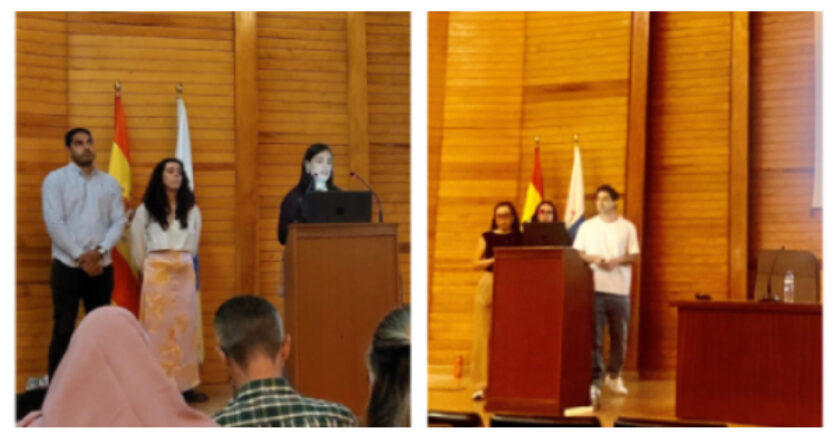
The 2nd Research Day of the “La Laguna – Tenerife North” Teaching Unit strengthens collaboration with SESCS in the supervision of Medical Residents

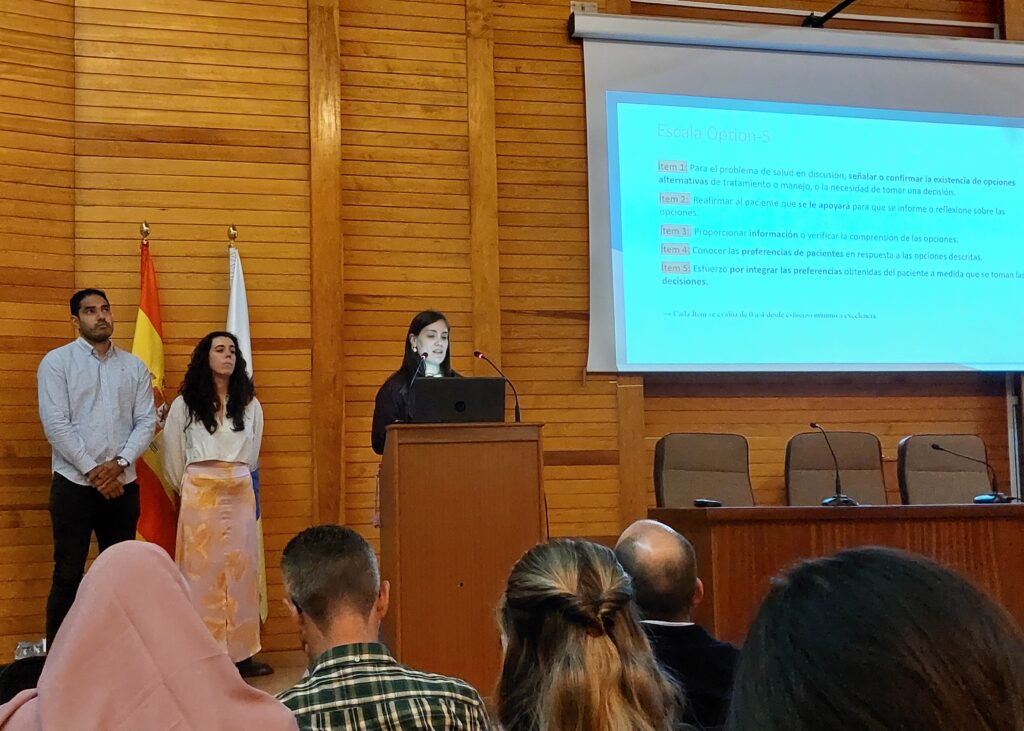
The 2nd Research Day of the Multiprofessional Teaching Unit for Family and Community Care “La Laguna – Tenerife North”, held on 24 April 2026, brought together the results of the work carried out within the framework of the collaboration between this Teaching Unit and the Health Service Evaluation Unit of the Canary Islands Health Service (SESCS), in the supervision of two groups of Medical Residents that began in April 2024.

This collaboration has enabled the development of research projects aimed at improving clinical practice, with a particular focus on the incorporation of Shared Decision Making in the field of Paediatrics.

First research group

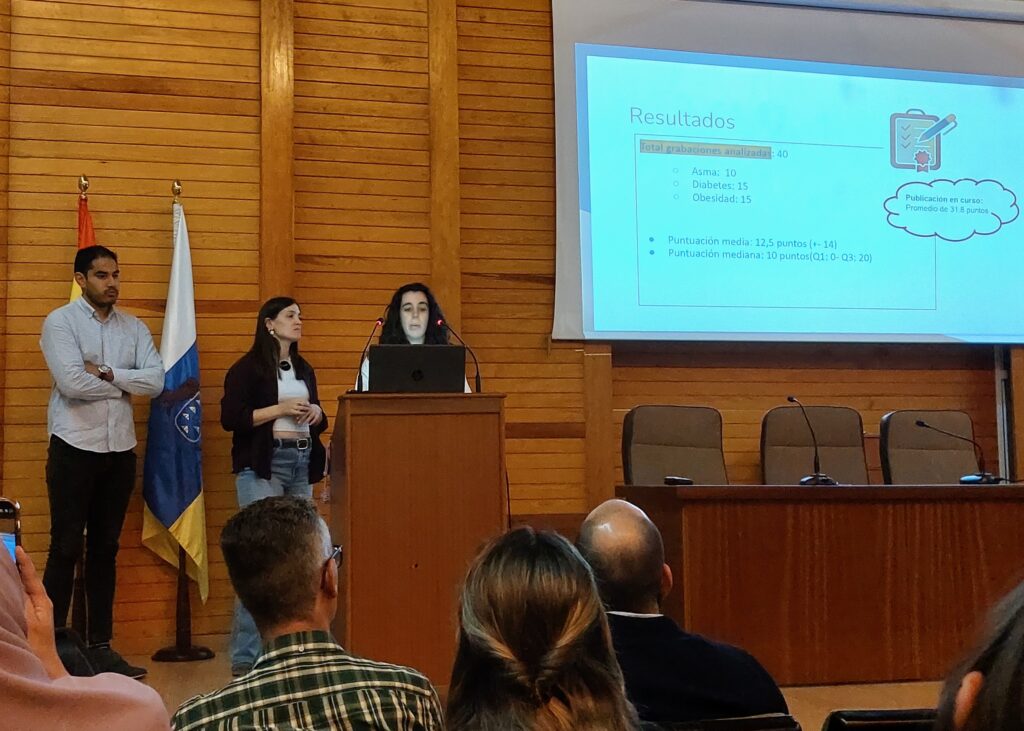
One of the groups, supervised by Alezandra Torres Castaño and Carmen Guirado Fuentes, carried out its training within the project “Analysis of the level of use of Shared Decision Making in Paediatric Services: an approach to diabetes, obesity and asthma in the Canary Islands”, funded by the Canary Islands Health Research Institute Foundation (FIISC).

The work carried out by Carlota Carmona Barragán, Carlos Alfonzo Ramírez and Nieves Kelly González Afonso focused on the application, following prior training, of the OPTION-5 scale as a tool to measure Shared Decision Making from the perspective of an external observer.

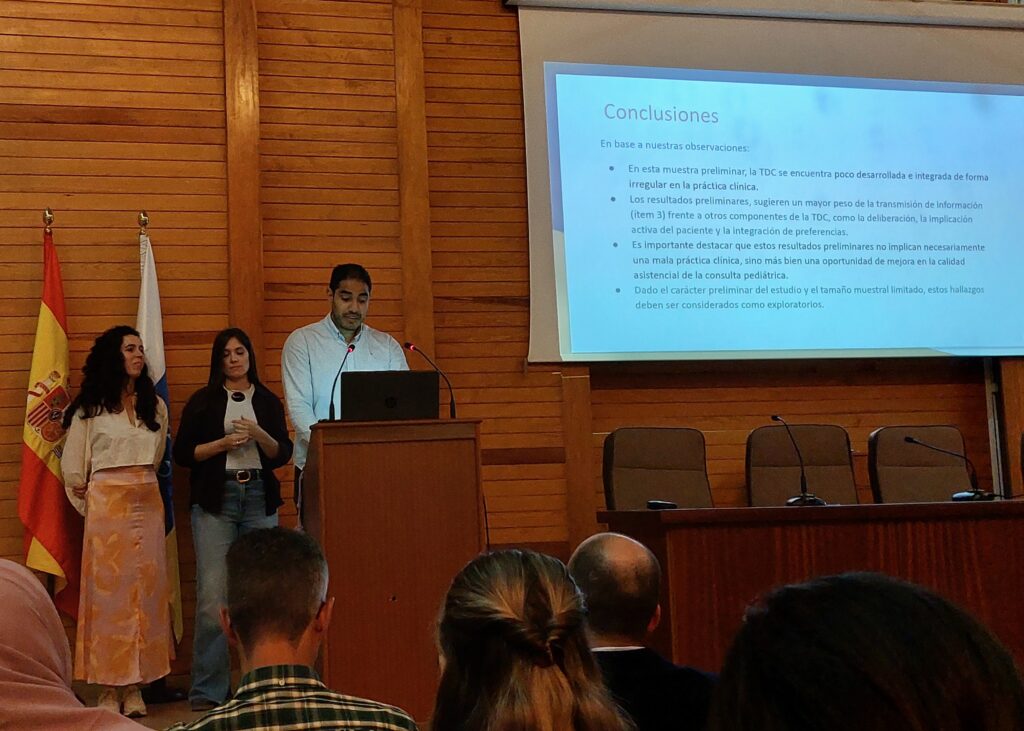
During the event, preliminary results from part of the project were presented, focusing on identifying the level of knowledge and use of Shared Decision Making among paediatric healthcare professionals, including physicians and nurses, based on real clinical consultations with paediatric patients.

These results provide relevant evidence for the achievement of the remaining project objectives and contribute to further progress in the implementation of Shared Decision Making in clinical practice.

Second research group

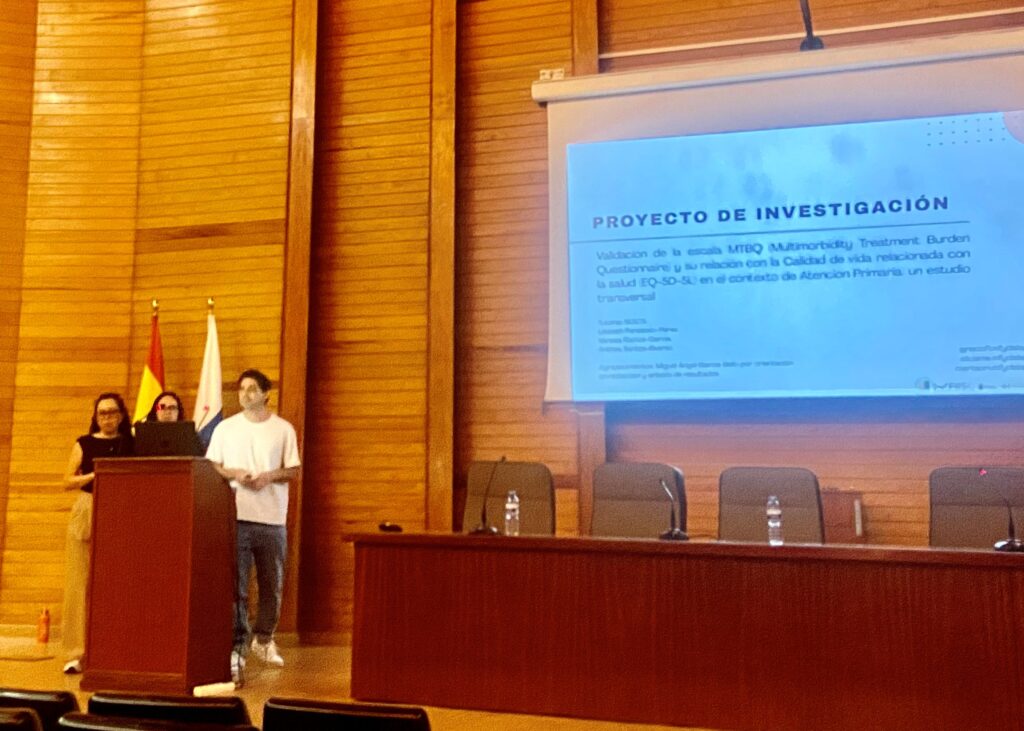
The second group, supervised by Lilisbeth Perestelo-Pérez, Vanesa Ramos-García and Anthea Santos-Álvarez, carried out its research training within the project “Validation of the Multimorbidity Treatment Burden Questionnaire (MTBQ) and its relationship with health-related quality of life (EQ-5D-5L) in the Primary Care setting: a cross-sectional study”, conducted in a population with multimorbidity in Primary Care in Tenerife.

The work, developed by Alicia Medina, Marta Castro and Ignacio Frías, focused on the cultural adaptation and psychometric validation of the Spanish version of the MTBQ questionnaire, a tool designed to assess treatment burden in people with multimorbidity, as well as its relationship with health-related quality of life.

During the event, the main results of the study were presented, showing that the Spanish version of the MTBQ scale has adequate psychometric properties for assessing treatment burden in patients with multimorbidity in Primary Care.

In addition, the findings provide relevant insights into patients’ perceived treatment burden and the impact of chronic disease management on their daily lives and quality of life.

Predictores sociodemográficos y clínicos de la adherencia a los antidepresivos en los trastornos depresivos: una revisión sistemática con un metanálisis

SESCS PUBLICATION: Pain Relief, Disability, and Hospital Costs After Intradiscal Ozone Treatment or Microdiscectomy for Lumbar Disc Herniation: A 24-Month Real-World Prospective Study

Sara Bisshopp, Renata Linertová, Miguel A. Caramés, Adam Szolna, Ignacio J. Jorge, Minerva Navarro, Brian Melchiorsen, Benjamín Rodríguez-Díaz, Jesús M. González-Martín, Bernardino Clavo

ABSTRACT

Background/Objectives

Surgery is the treatment of choice for symptomatic disc herniation after unsuccessful conservative management. This prospective study compared the impact on clinical and hospital outcomes of intradiscal ozone treatment vs. surgery (microdiscectomy/discectomy) in our clinical practice.

Methods

Intradiscal ozone treatment was offered to 70 patients with scheduled surgery because of lumbar disc herniation. Initial treatment was surgery in 38 patients and ozone infiltration in 32 patients: lumbar and sciatic pain (Visual Analog Scale), Roland-Morris Disability Questionnaire score, days of hospital admission, and direct hospital costs were recorded during 24 months of follow-up.

Results

At 12 and 24 months, lumbar pain, sciatic pain, and Roland-Morris score decreased significantly within both groups (p < 0.001). At 24 months, compared to the initial surgery, the initial intradiscal ozone treatment showed similar clinical outcomes with significantly lower requirements of surgery (100% versus 47%, p < 0.001) and lower hospital stay [median 2.5 (2–3) versus 0.5 (0–2) days, p < 0.001]. Direct hospital costs were significantly lower with initial ozone treatment at 12 months (p = 0.040).

Conclusions

In our real-world prospective study, after 24 months of follow-up, initial intradiscal ozone treatment avoided surgery in more than half of patients and provided similar clinical outcomes with lower hospitalization requirements. In patients with lumbar disc herniation requiring surgery (microdiscectomy/discectomy), initial intradiscal ozone treatment could offer benefits for patients and healthcare service providers (NCT00566007).

You can read the full article here.

Predictores sociodemográficos y clínicos de la adherencia a los antidepresivos en los trastornos depresivos: una revisión sistemática con un metanálisis

SESCS PUBLICATION: Resource use and healthcare costs in long-term breast cancer survivors (CONCEPT-COSTS)

Cristina Valcárcel Nazco, Benjamín Rodríguez Díaz, David Abbad Gómez, Carmen Guirado Fuentes, Francisco Estupiñán Romero, Enrique Bernal Delgado, María Sala Serra

ABSTRACT

Objective

To analyze the use of resources and healthcare costs of a cohort of long-term survivors of breast cancer in four autonomous communities in Spain (Aragon, Catalonia, Madrid and Navarre) by assessing their pathways in the National Health System.

Method

Patient pathways were analyzed based on their interactions with the National Health System between 2012 and 2016. Healthcare pathways were obtained from the CONCEPT project and were use to examine resource use, associated costs, and to analyze potential differences between cohorts and regions. A total of 18,527 women were included, of whom 6115 were long-term survivors of breast cancer and 12,412 formed the control group, consisting of women with no history of the disease, matched by age and healthcare area with the survivors. Regression models were applied to analyze factors associated with the cost of trajectories.

Results

Long-term survivors of breast cancer had a higher use of healthcare resources, and a higher number of comorbidity and drug use compared to the control group, with statistically significant differences. Costs were also higher for survivors, especially in outpatient clinics. Factors such as the number of drugs, comorbidity and the Charlson index were identified as the main factors associated with higher healthcare costs in both groups.

Conclusions

This study identified the costs of healthcare pathways in long-term breast cancer survivors and suggests that the methodology used could help healthcare professionals allocate resources more efficiently.

You can read the full article (in spanish) here.

Predictores sociodemográficos y clínicos de la adherencia a los antidepresivos en los trastornos depresivos: una revisión sistemática con un metanálisis

SESCS PUBLICATION: Making “inclusion” more than a buzzword: A critical interpretive synthesis of literature about recruiting seldom-heard groups in health research

Meghan Bradway, Lilisbeth Perestelo-Pérez, Alezandra Torres-Castaño, Ana María Claudia Wagner, María Luisa Álvarez-Malé, Garlene Beatriz Zamora Zamorano, Kari Dyb

ABSTRACT

Introducción

Seldom-heard’ groups do not experience equitable access, engagement, or benefits from health services and are often underrepresented in research.

Métodos

This paper presents a critical interpretive synthesis (CIS) of the literature. The included articles were those published between 2000 and 2024 in PubMed and Web of Science that focused on the recruitment and engagement of ‘seldom-heard’, ‘hard-to-reach’, or ‘disadvantaged’ groups in Europe. Purposive samples of articles followed a flexible and iterative review. Analysis and synthesis focused on identifying “synthetic constructs” or overarching themes, which informed the development of a “synthesizing argument” regarding recruitment and engagement strategies for seldom-heard groups. The presented paper focuses on the “synthetic constructs”, whereas the “synthetic argument” will be described in a subsequent paper.

Resultados

Of the 7601 articles identified, 23 were included. The analysis revealed four synthetic constructs: 1) the complexity of labels and identity, 2) the impact of labels on recruitment, 3) strategies to address recruitment challenges, and 4) the broader effects of these strategies on research and researchers.

Conclusión

Effective recruitment of seldom heard groups requires lengthy, careful planning, relationship-building, and an understanding of their unique perspectives. In doing so, researchers can contribute to reducing health inequalities and amplifying the voices of underrepresented populations.

Predictores sociodemográficos y clínicos de la adherencia a los antidepresivos en los trastornos depresivos: una revisión sistemática con un metanálisis

SESCS PUBLICATION : Psychometric properties of the EQ-5D-5L in diabetes mellitus patients in Spain

Amaia Bilbao-González, Marta González-Sáenz de Tejada, Montse Ferrer, Yolanda Ramallo-Fariña, Miguel Paja-Fano, Carlos García-Forero, Daniela Mestre, Iñigo Gorostiza-Hormaetxe

ABSTRACT

Background

The EQ-5D-5L five-dimensional instrument, is one of the most widely used generic preference-based questionnaires to measure health-related quality of life and to estimate utility indices for use in economic evaluation. This study aimed to assess the psychometric properties of the Spanish EQ-5D-5L questionnaire in patients with Diabetes Mellitus (DM) assessing reliability, validity, and item-level properties such as item functioning.

Methodology

We included 133 patients with DM who completed the EQ-5D-5L, the Audit on Diabetes-Dependent Quality of Life (ADDQoL), the Hospital Anxiety and Depression Scale (HADS), one question about general health and sociodemographic, and clinical data. The reliability was assessed by Cronbach’s alpha, and the item functioning by the item response theory (IRT). Convergent validity was tested using the Spearman correlation coefficient between EQ-5D-5L, ADDQoL, HADS and the general health question. We examined known-groups validity by comparing the EQ-5D-5L scores between subgroups defined by age, gender, BMI, regular physical activity, disease duration, glycemic control by glycosylated blood hemoglobin (HbA1c) (%), type of DM, general health and anxiety and depression level using t-test, ANOVA, Wilcoxon or Kruskal-Wallis tests.

Results

The reliability was supported with a Cronbach’s alpha of 0.78. The IRT results supported the unidimensionality and showed adequate item functioning, except for the anxiety/depression dimension. The item with highest discriminatory power was usual activities dimension, followed by self-care and mobility dimensions. The EQ-5D-5L showed adequate convergent validity, with high correlation with the ADDQoL, HADS and general health. Older age, women, obese, no regular physical activity, ≥ 10 years of disease duration, poor glycemic control, poorer general health and higher anxiety and depression level linked with lower EQ-5D-5L scores.

Conclusions

These findings support the adequate psychometric properties of the EQ-5D-5L in patients with DM, supporting its use for clinicians and researchers as an outcome measure and for use in economic evaluation studies.

You can read the full article here.

Predictores sociodemográficos y clínicos de la adherencia a los antidepresivos en los trastornos depresivos: una revisión sistemática con un metanálisis

SESCS PUBLICATION: Analysis of therapeutic adherence to antidepressants and associated factors in patients with depressive disorder: A population-based cohort study

Diego Infante-Ventura, Benjamín Rodríguez-Díaz, Miguel Ángel García Bello, Cristina Valcárcel-Nazco, Francisco Estupiñán-Romero, Francisco Javier Acosta Artiles, Beatriz González de León, Isabel Hurtado-Navarro, Tasmania del Pino-Sedeño

ABSTRACT

Background

Non-adherence to antidepressants is a common problem that can significantly impact health outcomes in patients with depressive disorders. The aim of this study was to assess antidepressant adherence rates and identify factors associated with non-adherence in a population-based cohort of patients with depressive disorders, using real-world data.

Methods

This retrospective, population-based cohort study used real-world data from patients diagnosed with depression in the Canary Islands, Spain, between 2013 and 2021. Adherence to antidepressants was assessed using the Medication Possession Ratio (MPR) over a 12-month follow-up period. Patients were classified as adherent if they had an MPR ≥ 0.8. To assess the association with sociodemographic, clinical, and lifestyle variables, multivariate logistic regression models were performed.

Results

Among the 39,800 patients included, the overall adherence rate to antidepressants was 31.02 %. Older age, female sex, and the presence of multiple comorbidities were significantly associated with higher adherence rates. In contrast, alcohol, and tobacco use, as well as inadequate nutrition, were significantly linked with lower adherence.

Conclusion

Non-adherence to antidepressants is a highly prevalent problem in patients with depressive disorders. The findings of this study highlight the importance of identifying factors that influence adherence and developing specific interventions to improve treatment outcomes in this population.

You can read the full article here.