Introducing the INVESTIGO Program: Promoting Young Research in the Canary Islands
The Canary Islands Health Research Institute Foundation (FIISC), affiliated with the Department of Health of the Government of the Canary Islands, received a grant of 397,307 euros from SEPE in the past year 2023 for the INVESTIGO program, as part of the Recovery, Transformation, and Resilience Plan – Next Generation EU.
Thanks to this grant, twelve young researchers, up to 30 years old, were hired for a period of twelve months. Their goal is to develop and implement research and innovation initiatives within the Boosting Biomedical Research in the Canary Islands project. This project aims to improve the generation of scientific knowledge, healthcare quality, and public health, as well as contribute to the sustainability and solvency of the Canary Islands Health Service and promote employability in the healthcare sector.
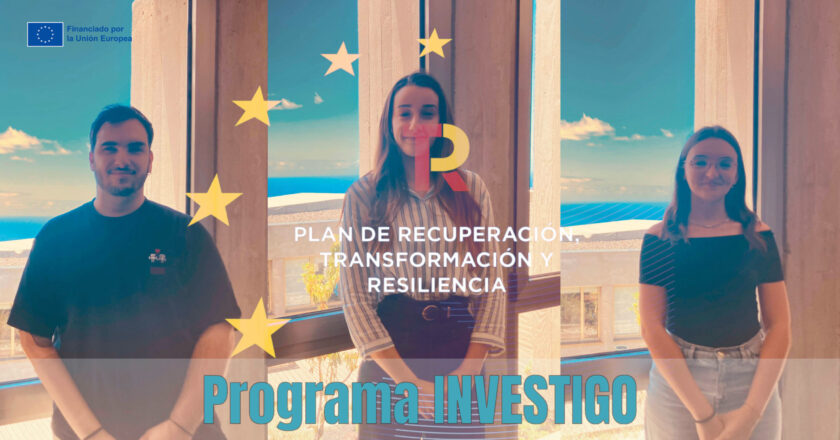
Today, we want to highlight the work of three young researchers who have joined the Evaluation and Planning Service of the Canary Islands Health Service.
Let’s get to know their stories and the impact of their work! 👇

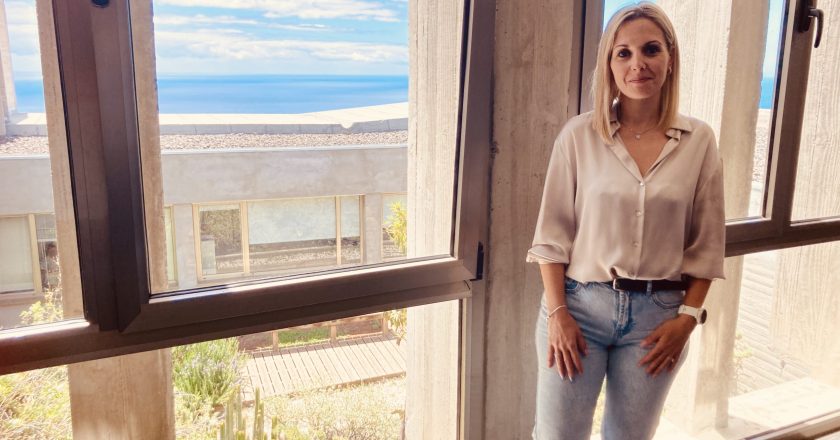
Alejandra Abrante Luis
🗨️”The enthusiasm I have for learning and engaging in various activities at SESCS motivates me to pursue self-learning and tackle the proposed tasks in the best possible way.”
🔗 [Read the full interview]

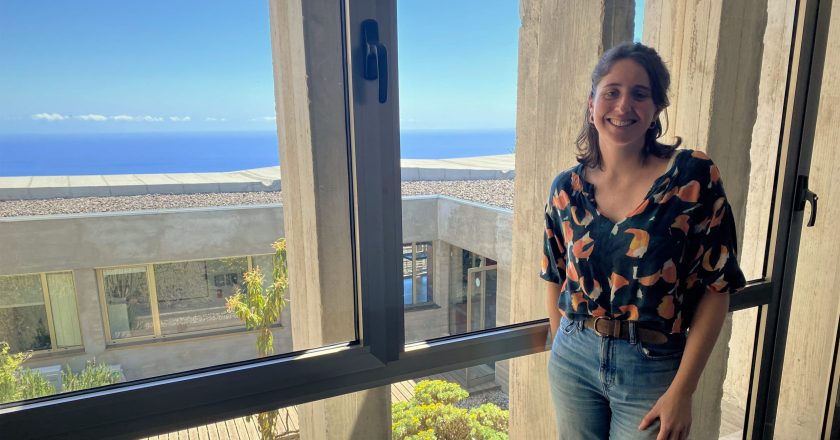
Lena Arnal Artiaga
🗨️ “Understanding how SESCS operates and the steps required to successfully carry out a research project, especially concerning the qualitative aspects, has been an interesting challenge.”
🔗 [Read the full interview]
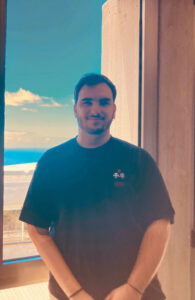
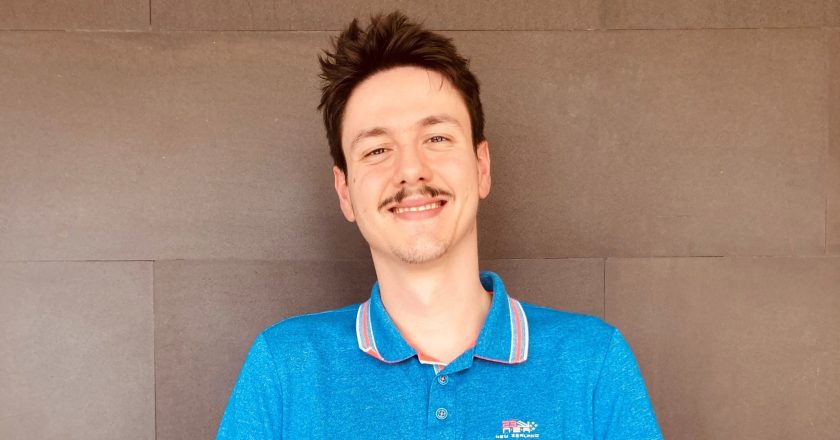
Juan Ignacio Capafons Sosa
🗨️”Being surrounded by such special people, both in their work and outside of it, can only help propel my professional career towards places I never thought possible.”
🔗 [Read the full interview]