
NOW AVAILABLE: Recording of the RedETS 2025 Open Day

If you missed the RedETS 2025 Open Day, held on November 19 at the TEA Tenerife Espacio de las Artes, you can now watch the full recording (in spanish) on our YouTube channel:

PART 1

PART 2

All information about the event, including contents and materials, is also available on the website: https://sescs.es/redets2025/

We invite you to visit the site and continue checking for new content and information that we will be adding in the coming weeks.

ITB–SESCS Collaboration: Outreach Video on Our Areas of Work

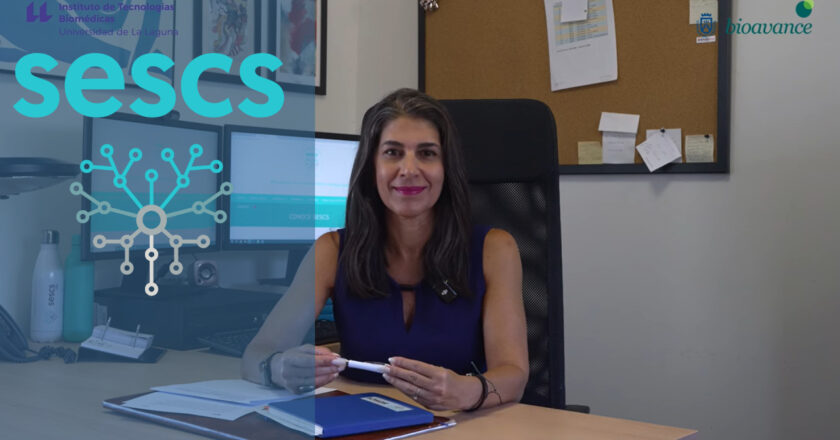
The Institute of Biomedical Technologies (ITB), of which SESCS is a part, has produced an outreach video about our work.

In it, our head, Lilisbeth Perestelo, presents the main areas of activity of SESCS, including health technology assessment, applied research, and support for decision-making in healthcare.

We thank ITB for this collaboration and for helping to share our work.

You can watch it below:

The 12th RedETS Conference 2025 featured on the Canary Islands Department of Health news portal

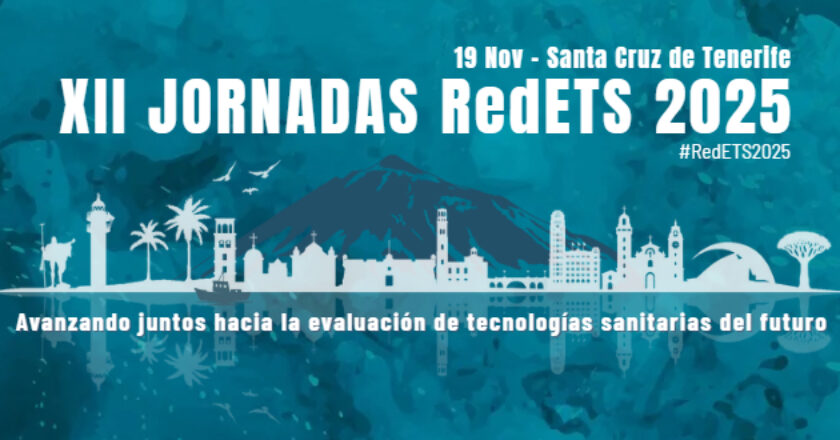
The Department of Health of the Government of the Canary Islands highlights on its news portal the celebration of the 12th RedETS Conference 2025, which will take place on November 19 in Santa Cruz de Tenerife.

🔗 Read the full press release on the Department of Health’s news portal.

The open conference, under the theme “Moving forward together towards the evaluation of future health technologies”, will bring together professionals and experts in the field of health technology assessment.

📌 Registration is still open through the official microsite 👉 https://sescs.es/redets2025/

Predictores sociodemográficos y clínicos de la adherencia a los antidepresivos en los trastornos depresivos: una revisión sistemática con un metanálisis

SESCS PUBLICATION: Conduction system pacing using electro-anatomical mapping-guided system vs. fluoroscopy: a systematic review, meta-analysis and economic evaluation

Beatriz León-Salas, Diego Infante-Ventura, Aránzazu Hernández-Yumar, Renata Linertová, Estefanía Herrera-Ramos, Alezandra Torres-Castaño, Himar González-Pacheco, Analía Abt-Sacks, Javier García-García, Raúl Quirós-López, María M. Trujillo-Martín

Introduction:

Electro-anatomical mapping (EAM) system has been shown as an alternative procedure to fluoroscopy for conduction system pacing (CSP) in patients with severe bradyarrhythmia, however its beneficial and harmful effects has not been assessed in a systematic review (SR). We sought to assess their safety, effectiveness and cost-effectiveness.

Methods:

A SR of the available scientific literature was conducted on the safety, effectiveness, and cost-effectiveness of CSP using EAM system versus fluoroscopy in patients with severe bradyarrhythmia. A partial economic evaluation was carried out to compare the costs of both strategies from the perspective of the Spanish National Health System. A budget impact analysis was also conducted with a five-year horizon.

Results:

Seven comparative observational studies (N = 231), analyzing the use of EAM versus fluoroscopy were selected. Statistically significant differences were observed in total fluoroscopy time: −9.87 minutes (95%CI:−14.20, −5.53, p < 0.01; I2 = 95%; k = 7; n = 231); His-lead fluoroscopic time: −8.08 minutes (95%CI:−10.36, −5.81, p < 0.01; I2 = 0%; k = 2; n = 50); and His-lead radiation dose: −17.21 mGy (95%CI:−24.08, −10.34, p < 0.01; k = 1; n = 20). No differences in total fluoroscopy dose, successful procedure or safety were found. The use of EAM represents an increase of EUR 1397.81 per patient and a net budget impact of EUR 1.63 million.

Discussion:

EAM is a valuable alternative for patients who should not be exposed to ionizing radiation with similar effectiveness and safety than fluoroscopy. However, the inclusion of EAM systems, for the indication under study, in routine clinical practice would mean an increase in costs for the Spanish National Health System.

You can read the full article here.
New Version of the Clinical Practice Guideline on Autism Spectrum Disorder in Primary Care

The Andalusian Agency for Health Technology Assessment (AETSA) has updated the Clinical Practice Guideline for the care of Autism Spectrum Disorder (ASD) in childhood in Primary Care.

The update includes 25 new recommendations, the M-CHAT-R/F screening tool, and a table of warning signs.

The guideline has been developed within the framework of the Clinical Practice Guidelines Program in the Spanish National Health System, coordinated by GuíaSalud, and is part of the Spanish Network of Health Technology Assessment Agencies and Services (RedETS).

🔗 Access the full guideline

Scientific visit of researcher Áron Hölgyesi (HECON, Budapest)

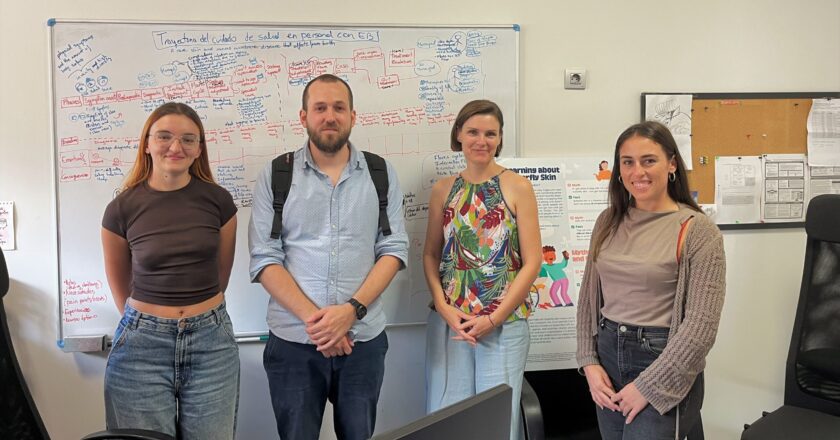
On October 8, SESCS/FIISC welcomed researcher Áron Hölgyesi, member of the Health Economics Research Center (HECON) at Óbuda University (Budapest, Hungary).

During his visit, Dr. Hölgyesi gave a scientific talk presenting the main research lines of his center, focused on health economic evaluation and the measurement of disease impact on quality of life.

He also shared the results of the cost study on Epidermolysis Bullosa (#EB) conducted within the framework of the European BUR-EB project, coordinated by researcher Renata Linertová (SESCS/FIISC). His presentation sparked discussion on the applied methodologies and the implications of the findings for health policies and rare disease management in Europe.

The visit helped strengthen collaboration between SESCS and HECON, promoting the exchange of knowledge and experience in health economics and European research on rare diseases.

Final Conference of the European Project BUR-EB in Santa Cruz de Tenerife

On October 7th, 2025, the final conference of the European project BUR-EB took place in Santa Cruz de Tenerife. The project, coordinated by FIISC and funded by the Horizonte 2020 programme, brought together researchers from seven countries and representatives from DEBRA Piel de Mariposa associations to present the results on the socioeconomic impact, quality of life, and educational materials for people living with Epidermolysis Bullosa and their caregivers.

The BUR-EB project has validated new tools to measure the burden of the disease and highlighted the importance of collaboration between science and patients in rare disease research.

More information 👉 www.bur-eb.com

Participation of SESCS in the 43rd Annual Meeting of the SEE and the 20th Congress of the APE

From September 2 to 5, 2025, several members of the Canary Islands Health Service Evaluation Service (SESCS) participated in the 43rd Annual Meeting of the Sociedad Española de Epidemiología (SEE) and the 20th Congress of the Portuguese Association of Epidemiology (APE), held in Las Palmas de Gran Canaria 🌴, under the theme “Ethics, lifestyle habits, and action in Public Health” #Epidemiology #PublicHealth

Our head of department, Lilisbeth Perestelo Pérez, moderated several Mental Health sessions 🧠, including the plenary of Table 3, addressing discussions on ethics and the promotion of mental health.

Miguel Ángel García Bello, SESCS researcher, delivered his oral presentation: “Attitudes, knowledge, and behaviors regarding vaccination in the adult population of the Canary Islands: a cross-sectional study” 💉 #Vaccination #CanaryIslandsResearch

And Claudia Palma Vásquez (Grupo Sant Joan de Déu, RICAPPS) presented her talk: “Design and validation of a questionnaire on attitudes toward adult vaccination” 📊

👏 Great participation by SESCS in this important scientific meeting.

Here are some photos from the event 📸

Predictores sociodemográficos y clínicos de la adherencia a los antidepresivos en los trastornos depresivos: una revisión sistemática con un metanálisis

SESCS PUBLICATION: Can Quality of Life Tests Be Useful in Patients Affected by Alpha-1 Antitrypsin Deficiency?

José María Hernández-Pérez, Hassan Khadour-Khadour, Gema Romero-Romero, Miguel Ángel García-Bello

ABSTRACT

Alpha-1 antitrypsin deficiency (AATD) is a genetic condition that predisposes a person to certain diseases over their lifetime, mainly including lung disease (in the form of emphysema) and liver disease (liver cirrhosis). Quality of life questionnaires are instruments designed to quantify the deterioration of a patient’s health.

Background/Objectives:

This study aimed to assess whether certain quality of life tests that are routinely used in clinical practice can be useful for patients with AATD.

Methods:

A sample of AATD patients, with various genotypes, but with the common characteristic that they must have both altered alleles (Pi* ≠ M), participated in the study. Different quality of life tests were used, including the COPD Assessment Test (CAT), COPD and Asthma Sleep Impact Scale, the short form of the Short Form Health Survey, and EuroQol 5 dimensions, and were related to differing clinical and functional characteristics.

Results:

The sample was composed of 54 patients, and slightly more than half of the participants were women (57.4%), with a mean age of 51.5 ± 13.7. The main genotypes were Pi*SZ (43.4%) and Pi*ZZ (34%). In patients under 65 years of age (n = 47), those who were actively working could walk a greater distance in the walking test, namely, 573 m (511–629), compared to those who were not actively working, namely, 415.5 m (392–469; p < 0.001). Active non-workers had a worse CAT (13.6 ± 7.8 vs. 4.6 ± 4.3; p < 0.001). In total, 80% of non-working patients had exacerbations, but only 46. 9% of those who were active, although the association did not reach statistical significance (p = 0.068). Having a lower score in the physical component of SF-12 was related to suffering from lung disease (46.0 ± 11.4 vs. 38.4 ± 11.1 (p = 0.026)).

Conclusions:

Quality of life tests were able to detect differences and relate them to functional factors such as the distance covered in the walking test, being sensitive and specific in this regard.

You can read the full article here.
STARS-Health sets out its roadmap to strengthen digital inclusion for older adults with the participation of SESCS

STARS-Health defines its roadmap to strengthen digital inclusion for older adults

The STARS-Health Project, part of the STARS EU framework, has recently presented its roadmap to guide older adults in the use of digital health management services, thereby contributing more effectively to reducing health inequalities among the senior population.

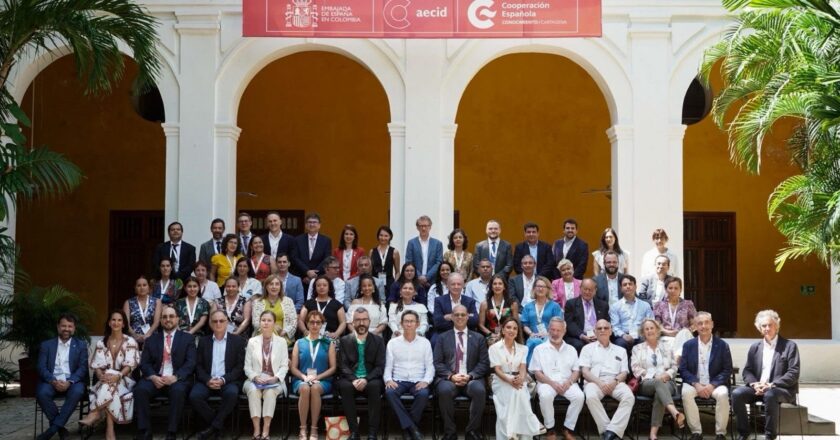
Led by Hanze University of Applied Sciences, and with the participation of the Universidad de La Laguna (Spain), University West (Sweden), Silesian University in Opava (Czech Republic), the Polytechnic Institute of Bragança (Portugal) and the Servicio de Evaluación del Servicio Canario de la Salud (SESCS, Spain), STARS-Health officially began with a workshop held in Groningen (the Netherlands). The event also included an online launch joined by patient organisations, healthcare professionals, educators, and researchers.

At the opening, Rima Dijkstra, coordinator of STARS EU, underlined the importance of collaboration in initiatives of this kind, which are essential for society. Similarly, Prof. Hans Hobbelen (Hanze University of Applied Sciences) highlighted one of today’s greatest challenges: the growing number of older adults compared to a progressively shrinking healthcare workforce, reinforcing the urgency of projects such as STARS-Health.

The session continued with presentations and updates on the project — developed within the framework of the Thematic Interest Group (TIG) Healthy Ageing — where participants reaffirmed their strong commitment to the shared mission: empowering older adults with lower health and digital literacy by improving their access to and use of digital services.

Project phases

The first phase of STARS-Health focuses on analysing the current situation of older adults, informal caregivers, and healthcare professionals facing difficulties with digital tools. The second phase involves conducting interviews in Sweden, the Netherlands, Czech Republic, Spain, and Portugal.

The project will only select digital applications that meet strict usability criteria for older adults, co-create a digital environment in which users and professionals can jointly select the most suitable apps, and develop training programmes to support professionals in guiding both older adults and their caregivers.

In addition to the professionals involved, students will play an active role by identifying and classifying apps in their own countries — a clear example of co-creation in action. STARS-Health will also collaborate with Label2Enable and other European initiatives such as Care about IT, HealthNoord, HealthTech in Society and Proeftuin Toegankelijke Digitale Zorg, which work towards more accessible and inclusive digital healthcare. These synergies broaden the project’s reach and reinforce its impact across Europe.

Research team

The project’s research team, comprising five of the nine partners of STARS EU together with the Canary Islands Health Service (SCS), is led by Prof. Johannes Hobbelen and Dr. Sandra Jorna-Lakke (Hanze University of Applied Sciences); Margareta Karlsson (University West); Rui Pedro Lopes (Polytechnic Institute of Bragança); Sara Darias-Curvo (University of La Laguna); Markéta Skalná (Silesian University in Opava); and Lilisbeth Perestelo-Pérez (Canary Islands Health Service).

STARS-Health will run for three years with funding of €912,060, granted by the European Partnership on Transforming Health and Care Systems (THCS). This is a co-funded action under the Horizon Europe Research and Innovation Framework Programme (2021–2027) of the European Union.