SESCS Participation at the GIN2025 Annual Conference in Geneva

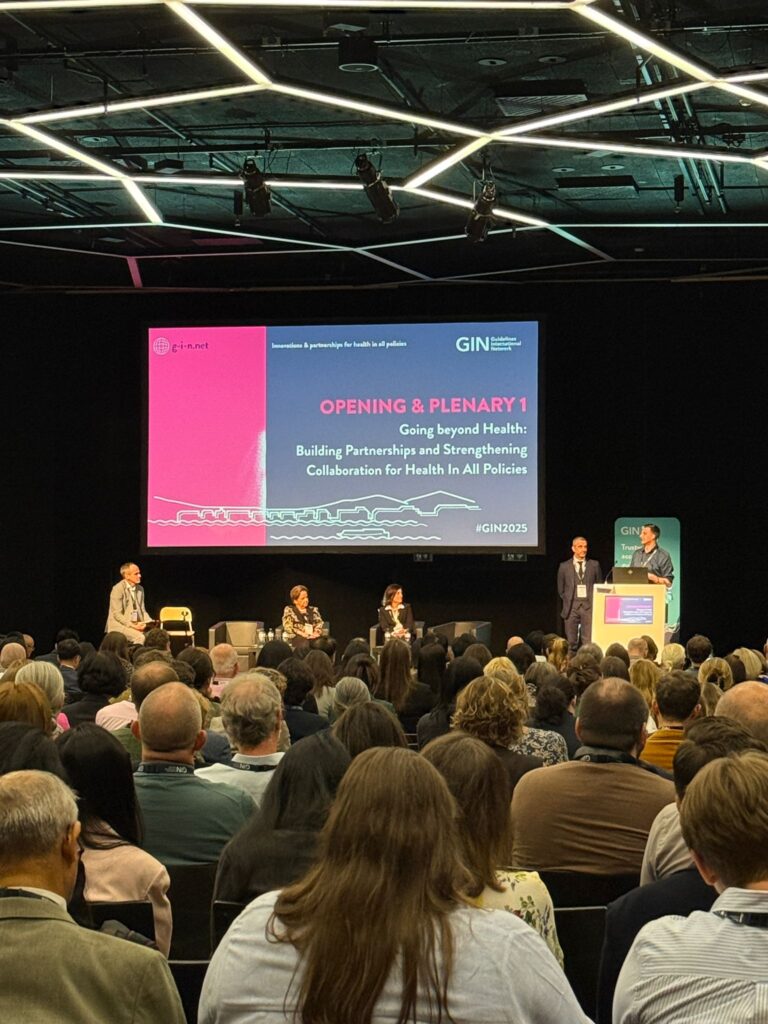
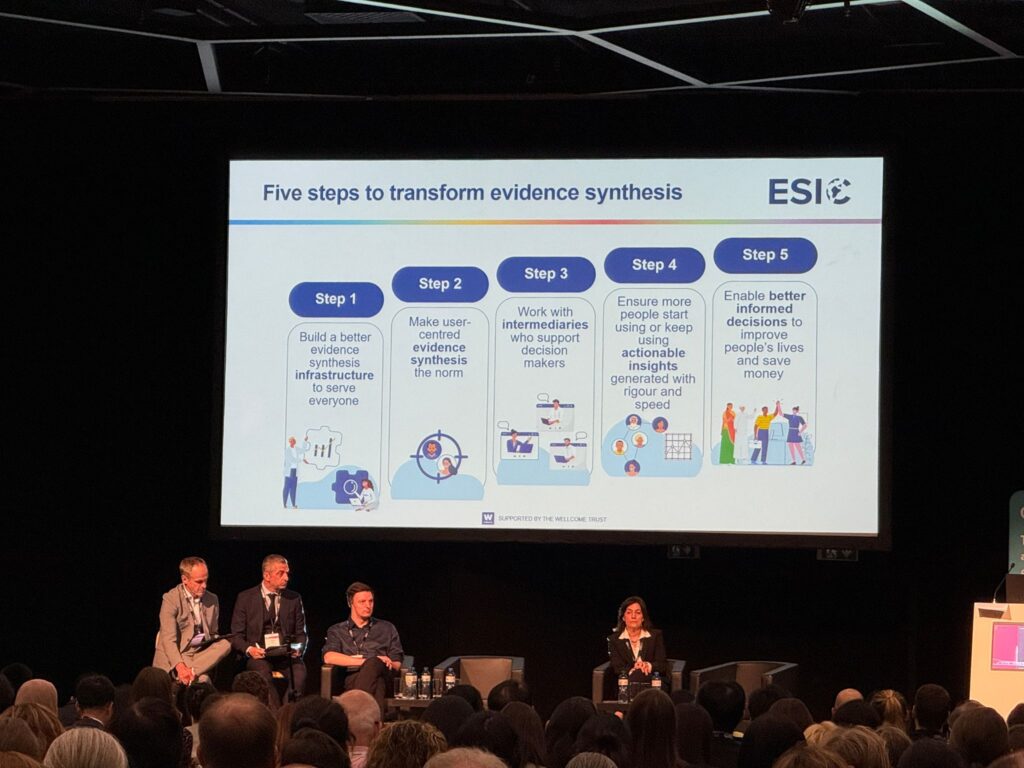
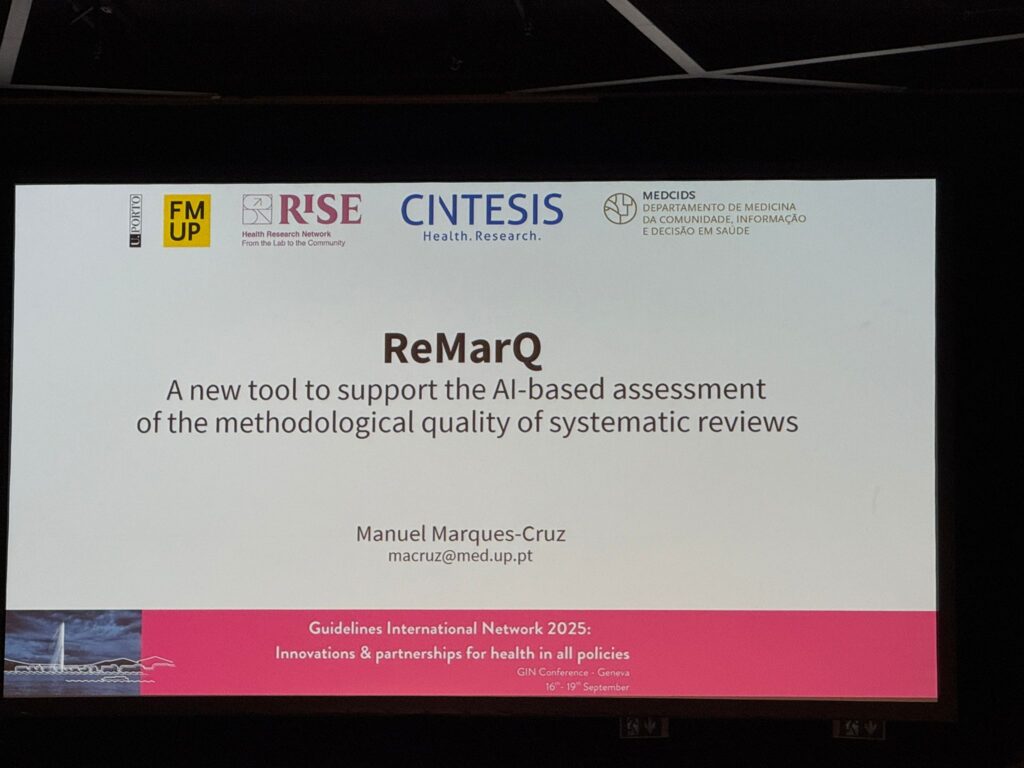
📢 The Evaluation Service of the Canary Islands Health Service (SESCS) was represented at the GIN2025 Annual Conference (16–19 September, Geneva), the leading international meeting on innovation and collaboration in health policies.

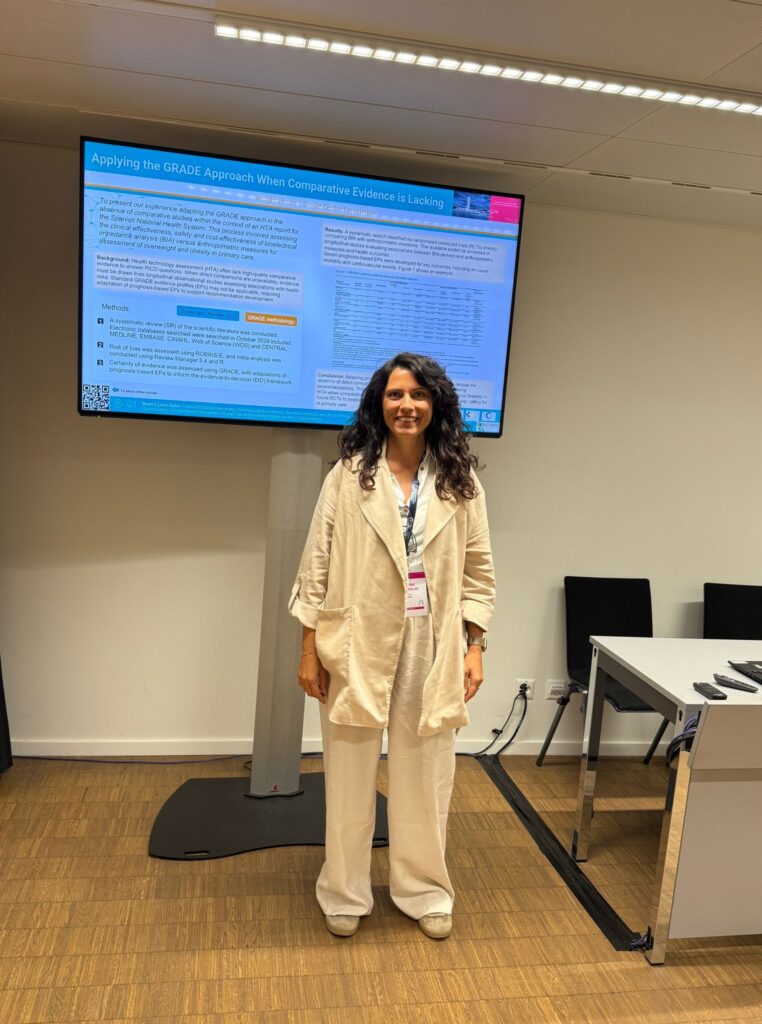
Our colleague Beatriz León Salas actively participated by presenting two posters:
1️⃣ Evaluating Bioelectrical Impedance Analysis in Primary Care: Evidence Gaps and Future Research Directions
2️⃣ Applying the GRADE Approach When Comparative Evidence is Lacking: Insights from a Single-Centre Experience

👏 We are proud that our team is part of this global space for exchange and learning.

🔗 More information about the event

Predictores sociodemográficos y clínicos de la adherencia a los antidepresivos en los trastornos depresivos: una revisión sistemática con un metanálisis

SESCS PUBLICATION: Family physicians’ attitudes and practice on screening and prevention of fragility fractures, and shared decision-making with postmenopausal women: a qualitative study in Spain

Montserrat León-García, Esther Cánovas Martínez, Yolanda Álvarez Pérez, María Antonia Pou, Alberto López García-Franco, Ana Sanz Bas, Sara Rodriguez-Moreno, Claudia Erika Delgado Espinoza, Pablo Roca, Aránzazu González Osuna, Diana Fernández Valverde, Betzabeth Marín Nanco, Melixa Medina-Aedo, Lilisbeth Perestelo-Pérez, Pablo Alonso-Coello

ABSTRACT

Background
Osteoporosis is a prevalent condition among postmenopausal women, significantly increasing the risk of fragility fractures. Despite the availability of clinical guidelines, their implementation in primary care, remains highly variable, particularly regarding fracture prevention and shared decision-making (SDM).

Methods
We conducted a qualitative study to explore the attitudes and practices of Spanish family physicians in preventing fractures among postmenopausal women. Sixteen semi-structured interviews were conducted with physicians from diverse socioeconomic backgrounds and levels of clinical experience. Data were analysed using an iterative, theory-driven approach to identify key themes and barriers.

Results
Physicians showed substantial variability in fracture risk assessment approaches, frequently combining tools such as FRAX with clinical judgment. Most were cautious about prescribing bisphosphonates for primary prevention, citing concerns about the strength of the evidence and potential adverse effects. While non-pharmacological strategies, such as lifestyle modifications and fall prevention, were emphasized, their implementation was often constrained by workload pressures. Patient involvement in decision-making was hindered by widespread misconceptions about osteoporosis and its treatment, as well as the lack of appropriate decision-support tools. Participants highlighted the need for clearer guidelines, enhanced educational resources, and accessible decision aids to facilitate patient engagement in care.

Conclusions
This study highlights the complex challenges family physicians face in fracture prevention among postmenopausal women, including heterogeneity of recommendations in guidelines, limited SDM implementation, and systemic barriers within primary care. Addressing these issues will require multifaceted interventions targeting both healthcare system constraints and patient education. Future efforts should focus on developing and implementing strategies that support evidence-based, patient-centred decision-making while accounting for the realities of primary care practice.

You can read the full article here.

GuíaSalud and SESCS present the Oncology Communication Guidelines: Cross-Cutting Aspects and During Care

New OPBE Available!

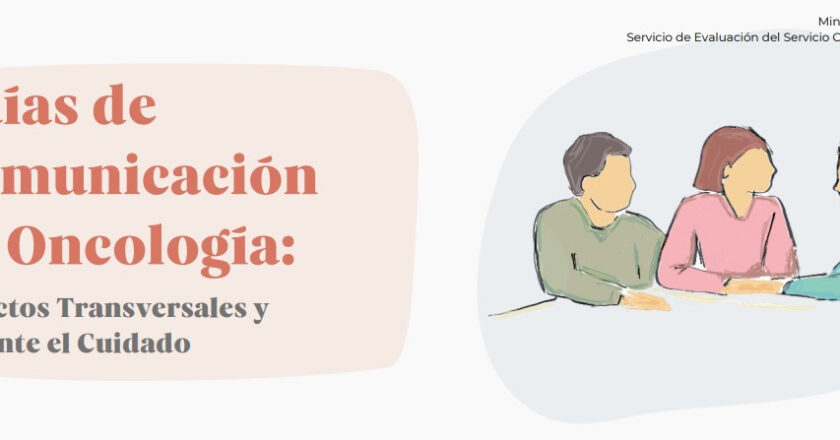
From the Evaluation and Planning Service of the Canary Islands Health Service (SESCS), we present the “Oncology Communication Guidelines: Cross-Cutting Aspects and During Care”, the first product of its kind published in the GuíaSalud catalog.

This document provides practical tools for clinical staff, strengthening communication with people with #cancer, their families, and the healthcare team.

It has been developed by SESCS with funding from the Ministry of Health to support the activities of the 2025 Annual Work Plan of the Spanish Network of Agencies for Assessing National Health System Technologies and Performance

📌 Check it out here:

Guías de Comunicación en Oncología: Aspectos Transversales y Durante el Cuidado


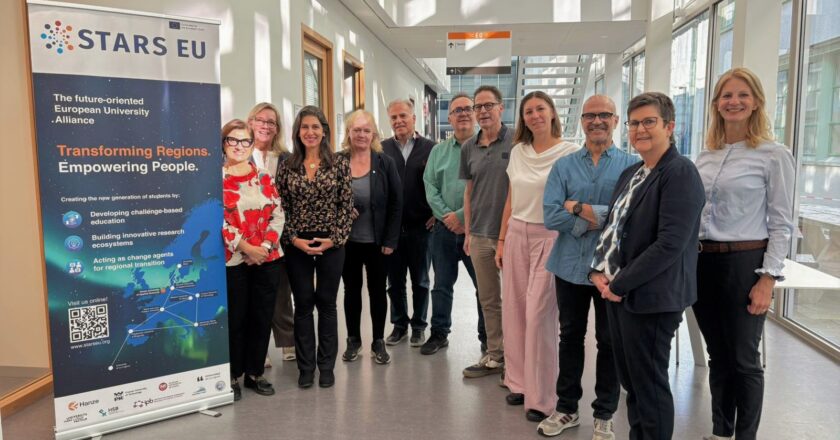
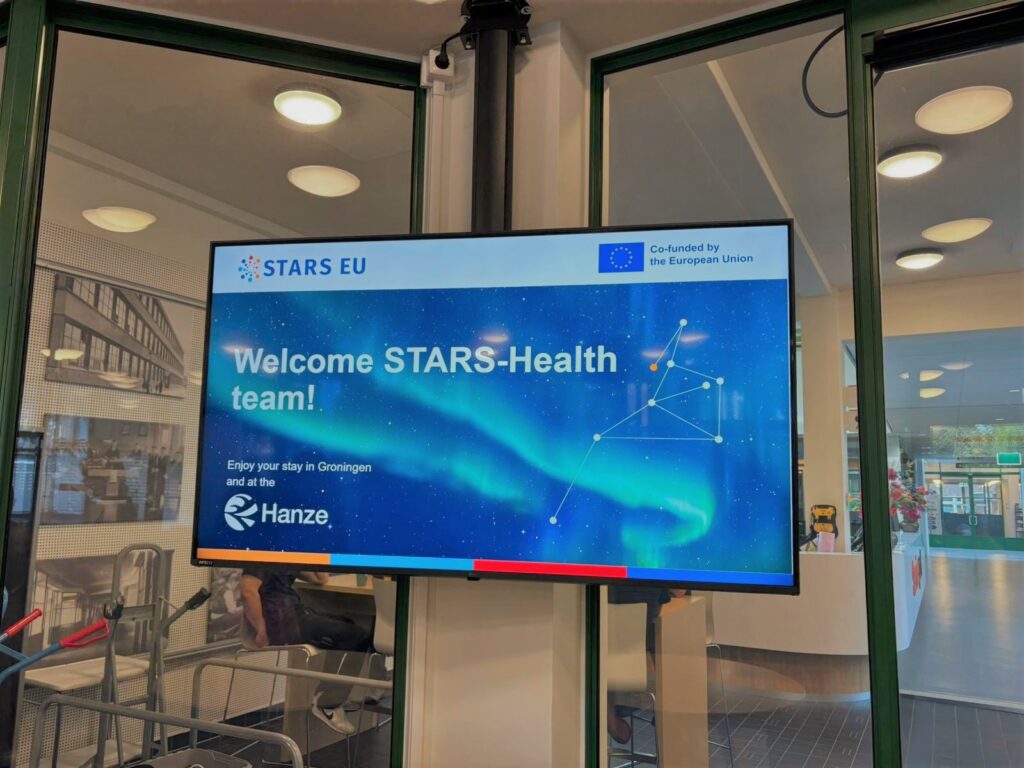
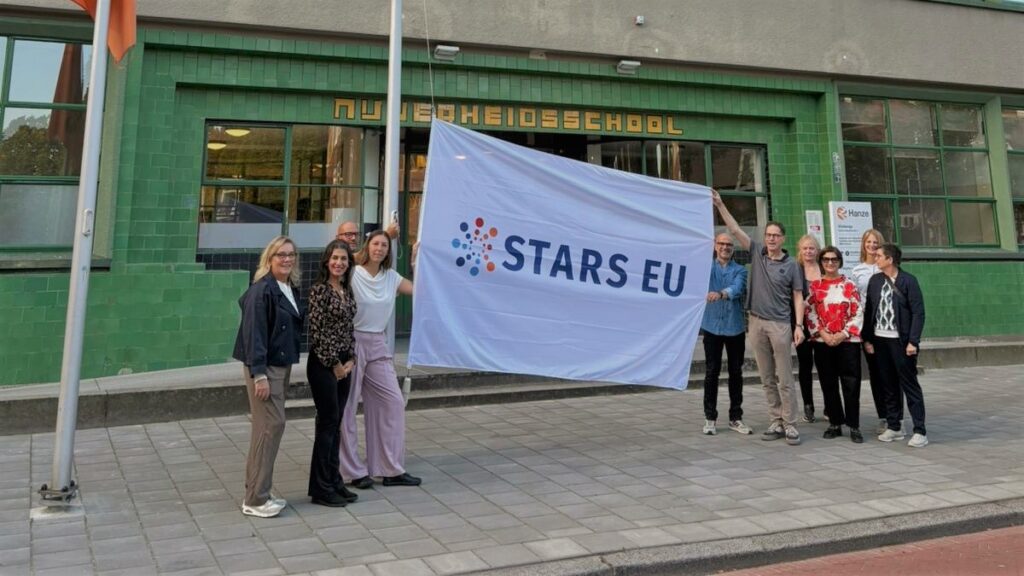
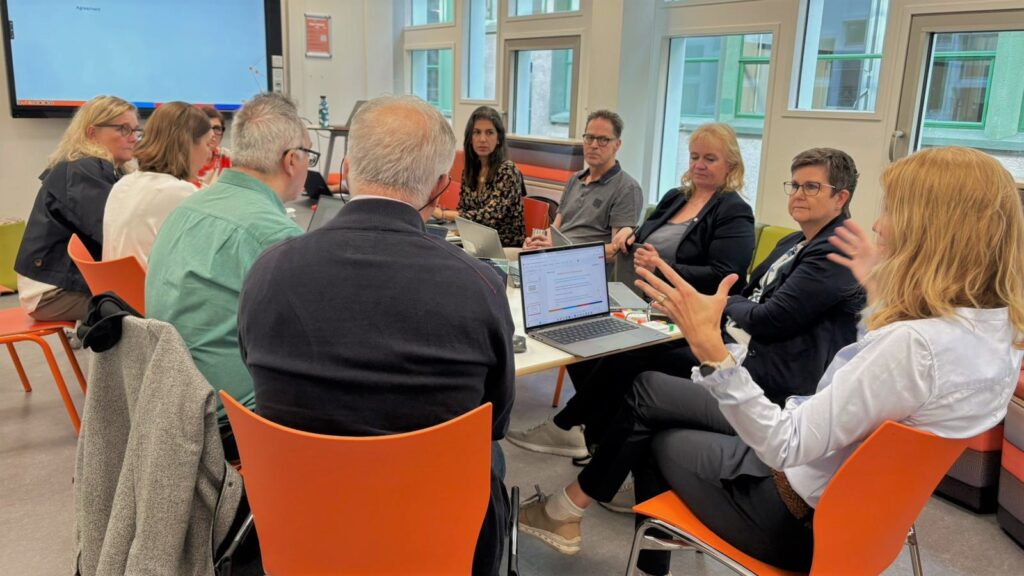
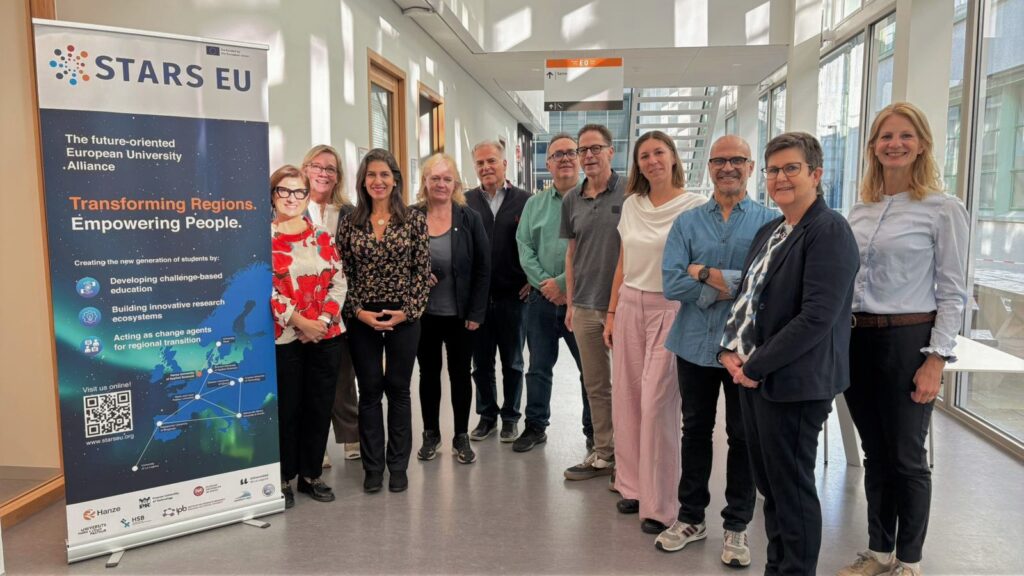
Kick-off Meeting of STARS-Health: Promoting Digital Health Literacy for Older Adults

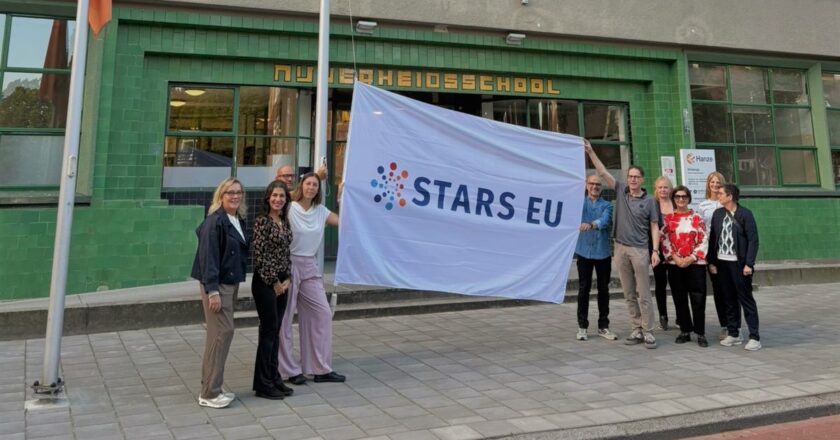
Last Tuesday, the Kick-off Meeting de STARS-Health: Improving Digital Health Skills for Older Adults (STARS EU) took place, an international project aimed at enhancing digital health literacy among older adults.

Our lead, Lilisbeth Perestelo-Pérez, participated together with the rest of the project team in this launch, focused on aligning visions and preparing the activities to be developed throughout the year.

STARS-Health seeks to promote the use of digital health and reduce the digital divide among older people, fostering better care and autonomy.

📸 Here are some highlights from the meeting.

Predictores sociodemográficos y clínicos de la adherencia a los antidepresivos en los trastornos depresivos: una revisión sistemática con un metanálisis

SESCS PUBLICATION: Long-Term Effects of Ozone Treatment in Patients with Persistent Numbness and Tingling Secondary to Chemotherapy-Induced Peripheral Neuropathy. A Retrospective Study

Bernardino Clavo, Delvys Rodríguez-Abreu, Saray Galván-Ruiz, Mario Federico, Angeles Cánovas-Molina, Yolanda Ramallo-Fariña, Carla Antonilli, Gretel Benítez, Himar Fabelo, Carla García-Lourve, Damián González-Beltrán, Ignacio J Jorge, Francisco Rodríguez-Esparragón, Gustavo M Callico

ABSTRACT

Background:
Numbness and tingling secondary to chemotherapy-induced peripheral neuropathy (CIPN) are frequent side effects that limit chemotherapy treatment and quality of life. Successful treatments for CIPN are limited. This preliminary report shows the potential long-term effects of ozone treatment in the management of persistent numbness and tingling secondary to CIPN.

Methods:
Ozone treatment was administered by rectal insufflation in 15 patients (female/male: 8/7, age: 66 years old) suffering from persistent numbness and tingling secondary to grade-2 or grade-3 CIPN. Planned ozone treatment consisted of 40 sessions over 4 months. The initial concentration of 10 μg/mL was progressively increased to 30 μg/mL. The initial gas volume of 180 mL/session was progressively increased to 300 mL/session if tolerated. Before and after ozone treatment, and at 3- and 6- months after the end of treatment, they were assessed (i) the grade of CIPN-toxicity, and (ii) the self-reported decrease in numbness and tingling.

Results:
After ozone treatment, 47% of patients experienced a decrease in the grade of CIPN-toxicity (P = .016), and 67% of patients reported a decrease in numbness and tingling ≥50% (P = .002). These effects were maintained at 3- and 6- months after the end of O3T.

Conclusions:
In this retrospective report, patients with persistent numbness and tingling secondary to CIPN showed clinically relevant and long-term improvements after ozone treatment. The magnitude and duration of the observed effects merit further research and support our ongoing clinical trials.

Keywords: numbness and tingling, paresthesias, chemotherapy-induced peripheral neuropathy, grade of toxicity, side effects, cancer survivors, ozone treatment, oxidative stress modulation, Nrf2

You can read the full article here.

Predictores sociodemográficos y clínicos de la adherencia a los antidepresivos en los trastornos depresivos: una revisión sistemática con un metanálisis

SESCS PUBLICATION: Acceptance and commitment therapy for couples: A systematic review and meta-analysis

Jorge Barraca, Thomas Polanski, Andrea Duarte-Díaz, Lilisbeth Perestelo-Pérez

ABSTRACT

Couple interventions have a long tradition, yet their effectiveness is generally less well-known than that of individual therapies, particularly within contextual therapies. Although Acceptance and Commitment Therapy (ACT) has already gathered significant evidence of effectiveness in various psychological health problems and disorders, its application in the context of couple therapy has not been thoroughly analyzed. A systematic review and meta-analysis were conducted, involving a total of 17 randomized controlled trials (RCTs), examining effectiveness in various areas of couple functioning. The analyses revealed that ACT was more effective than passive control groups for alexithymia, anxiety, communication skills, fertility quality of life, marital intimacy, marital satisfaction, psychological well-being, physical health, and relational social functioning. It did not, however, have any significant effect on marital burnout, marital conflict, or conflict resolution. ACT was also effective in post-traumatic stress disorder, but in a joint intervention with Mindfulness-Based Cognitive Therapy (MBCT). When compared with active controls, ACT was sometimes similar and sometimes inferior in results. For instance, ACT, Integrative Behavioral Couple Therapy (IBCT), and CBCT all increased marital intimacy, but with no significant difference between them (g = −0.26, 95% CI: −0.98, 0.46; I2 = 0%). ACT, IBCT and Emotionally Focused Couples Therapy (EFCT) also all helped social functioning, and EFCT and ACT both fostered forgiveness. However, CBCT was clearly superior to ACT in improving marital satisfaction (g = −1.23, 95% CI: −1.86, −0.59; I2 = 0%) and ACT was also beaten out by Schema Therapy for fostering forgiveness. Imago therapy seems to help anxiety more than ACT while ACT helped more with physical health. The RCTs included in the review exhibit a significant series of biases and limitations, which were analyzed in detail. Taking these limitations into account, although ACT can be a promising therapy for some couple difficulties, it still needs to gather more evidence of effectiveness with new, better-controlled studies, carried out in a wider variety of countries and cultures, with well-defined protocols and comparisons with active controls like EFCT, IBCT, and CBCT, all of which have more empirical support.

You can read the full article here.

Predictores sociodemográficos y clínicos de la adherencia a los antidepresivos en los trastornos depresivos: una revisión sistemática con un metanálisis

SESCS PUBLICATION: Validation of the PECUNIA reference unit costs templates in Spain: a useful tool for multi-national economic evaluations of health technologies

Lidia García-Pérez, Renata Linertová, Aránzazu Hernández-Yumar, Cristina Valcárcel-Nazco, Jhoner Perdomo Vielma, Pedro Serrano Aguilar, Mencia R Gutiérrez-Colosia, Luis Salvador Carulla, Enrique Fernández-Vega, Susanne Mayer, Judit Simón, Grupo PECUNIA

ABSTRACT

Background:

The PECUNIA Project was funded by the H2020 programme in which 10 partners from six countries participated. The aim was to develop standardized, harmonized and validated methods and tools to calculate costs in different sectors (such as health and social care, education among others), with the purpose of facilitating comparability of economic evaluations of health technologies across European countries. In this paper we report the first validation of the developed reference unit cost templates in Spain.

Methods:

The evaluation of the PECUNIA Reference Unit Cost (RUC) Templates involved usability, transferability and feasibility assessment. Applicability tests were performed to estimate the cost of a selection of 15 resource items by means of the RUC templates in Spain and in four Spanish regions. External validation involved comparison with existing unit costs.

Results:

It was possible to estimate the cost of five services (dental care and general practitioner in the Canary Islands, general practitioner in Spain [tariffs], health-related day care centre and education services provided in a special education school in the Basque Country), car vandalism as an example of potential health-related consequences, and informal care in Spain. The templates were feasible although data completeness depended on the type of data needed to estimate the costs. The templates are transferable across countries although comparability depends on the services available in each jurisdiction.

Conclusions:

The PECUNIA RUC Templates are free and feasible tools to estimate comparable reference unit costs across countries. Although more validation exercises are needed, they seem useful tools to perform robust multi-national economic evaluations and increase the transferability of cost-effectiveness studies of health technologies in Europe. However, they cannot compensate for the lack of data across jurisdictions.

Keywords: Costing; Economic evaluation; Europe; Services; Societal perspective; Spain; Unit costs; Validation.

You can read the full article here.

Beatriz León Salas presents a SESCS study on healthy ageing at ISQOLS 2025 Preguntar a ChatGPT

The researcher from the Health Technology Assessment Service of the Canary Islands Health Service (SESCS), Beatriz León Salas, participated in the 23rd Annual Conference & 30th Anniversary of the International Society for Quality-of-Life Studies (ISQOLS), held in Luxembourg, presenting the poster titled:

“Integrated lifestyle and disease profiles in adults aged 45–65: a strategy to prevent frailty and improve quality of life”.

This work is part of SESCS’s efforts to generate and share scientific evidence aimed at preventing frailty and improving quality of life in the adult population. Participation in this international conference has helped to give visibility to the multidimensional approach being developed in the Canary Islands in the field of public health and active ageing.

SESCS’s presence at ISQOLS 2025 reinforces the team’s commitment to applied research and international cooperation in the study of well-being and health throughout the life course.

Alezandra Torres undertakes a research stay at IDIAP Jordi Gol to explore health inequalities

Knowledge exchange and international collaboration in health

During her stay at IDIAP Jordi Gol (Barcelona), our colleague from the Health Technology Assessment Service of the Canary Islands Health Service (SESCS), Alezandra Torres Castaño, explored innovative methodologies to highlight citizens’ experiences in health.

Key milestones of the stay included:

  • Critical qualitative analysis of the barriers faced by migrant and racialized adolescents in accessing healthcare services.
  • Participation in the Photovoice art exhibition on endometriosis, raising awareness of the emotional and social impact of this condition.
  • Attendance at the conference Racism and Healthcare, organized by the Research Group on Social Determinants of Health and Demographic Change (OPIK), Basque Country.
  • Exploration of the European project L-HEALTH, which aims to identify health inequalities affecting lesbians in primary care services.
  • Establishment of synergies for future collaborative projects between FIISC and IDIAP.

This stay, part of the RICAPPS mobility programme, reinforces SESCS’s commitment to participatory, ethical, and transformative research.

As a closing summary, Alezandra has created a short video highlighting the main learnings and outcomes:
👉 Watch vídeo

Predictores sociodemográficos y clínicos de la adherencia a los antidepresivos en los trastornos depresivos: una revisión sistemática con un metanálisis

SESCS PUBLICATION: A virtual community of practice to empower patients with recent ischemic heart disease: A randomized controlled trial

Helena Vall-Roqué, Vanesa Ramos-García, Amado Rivero-Santana, Alezandra Torres-Castaño, Patricia Cifuentes, Débora Koatz, Javier García-García, Valeria Pacheco-Huergo, Pau Rello, Anthea Santos-Álvarez, Alba Campillejo García, Sofía Garrido Elustondo, Marcelo Sanmartín, Lilisbeth Perestelo-Pérez, Ana Isabel González-González, Carola Orrego

ABSRACT

Objective

To evaluate the effectiveness of a virtual community of practice (vCoP) in improving the activation of individuals with ischemic heart disease (IHD).

Method

We conducted a randomized controlled trial. A total of 282 patients with IHD from Madrid, Catalonia, and the Canary Islands were randomly allocated to an intervention or a control group. Patients were anonymized and the statistician was blinded to group allocation. The intervention was a multicomponent-tailored vCoP built on the Web 2.0 concept and focused on skills toward patient empowerment. The primary outcome was the Patient Activation Measure score. Secondary outcomes were self-efficacy to manage the disease, adherence to the Mediterranean diet, level of physical activity, depression, anxiety, medication adherence, and health-related quality of life. A linear regression model of mixed effects was carried out to estimate the effect of participating in the vCoP.

Results

Significant differences in adherence to the Mediterranean diet were found favoring the intervention at 6, 12, and 18 months, B = 0.86, 95% confidence interval (CI) [0.36, 1.35]. No significant changes among data collection points were found for the other variables.

Conclusion

Our results suggest that vCoPs can be helpful for improving adherence to the Mediterranean diet in individuals with IHD, but not for improving their activation or quality of life. However, considerable uncertainty remains due to participants’ high dropout rate. Further research is needed to identify the behavioral change mechanisms of such an intervention. (PsycInfo Database Record (c) 2025 APA, all rights reserved).

Trial registration: ClinicalTrials.gov NCT03959631

You can read the full article here.