DifusionSESCS

RICAPPS 2024 Conference

📍 On October 25th, the RICAPPS Conference concluded in Madrid, leaving a significant mark on research into multimorbidity and chronic diseases.

The Evaluation Service of the Canary Islands Health Service (SESCS) was present, highlighting the importance of tackling methodological challenges and sharing innovative strategies to advance patient health.

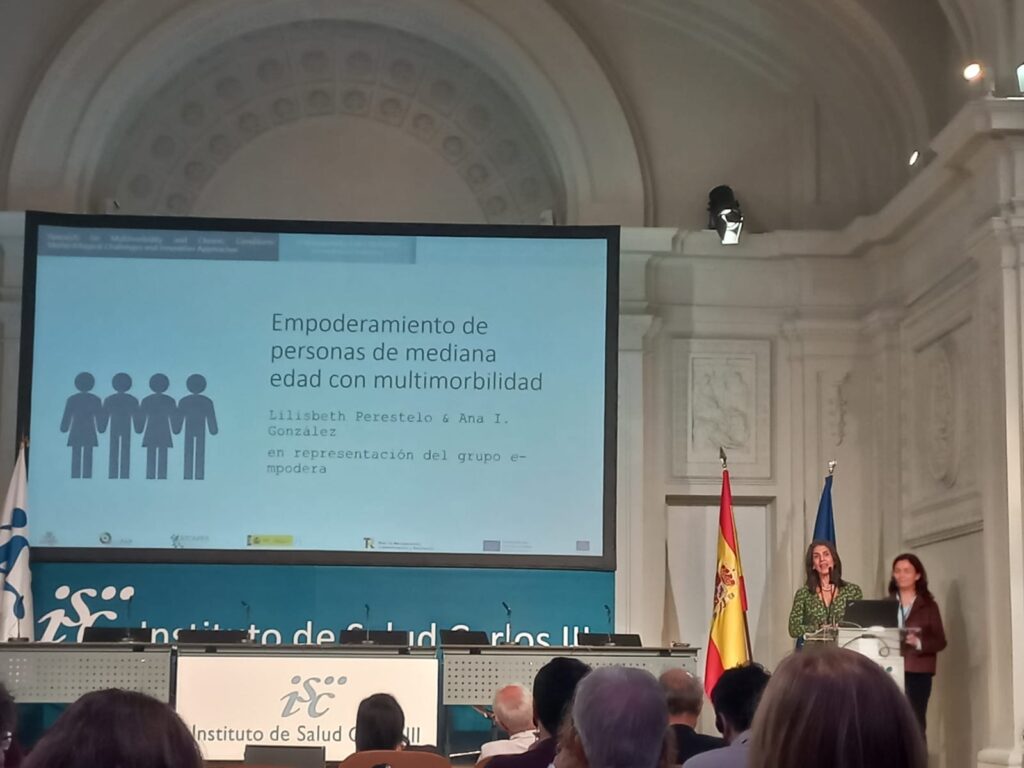
Among the contributions was the panel “Multimorbidity in the RICAPPS Network,” where Lilisbeth Perestelo Pérez, Head of SESCS, and Ana Isabel González, from the Madrid Health Department, presented the EMPODERA Project, focused on empowering patients with multimorbidity to achieve better health outcomes.

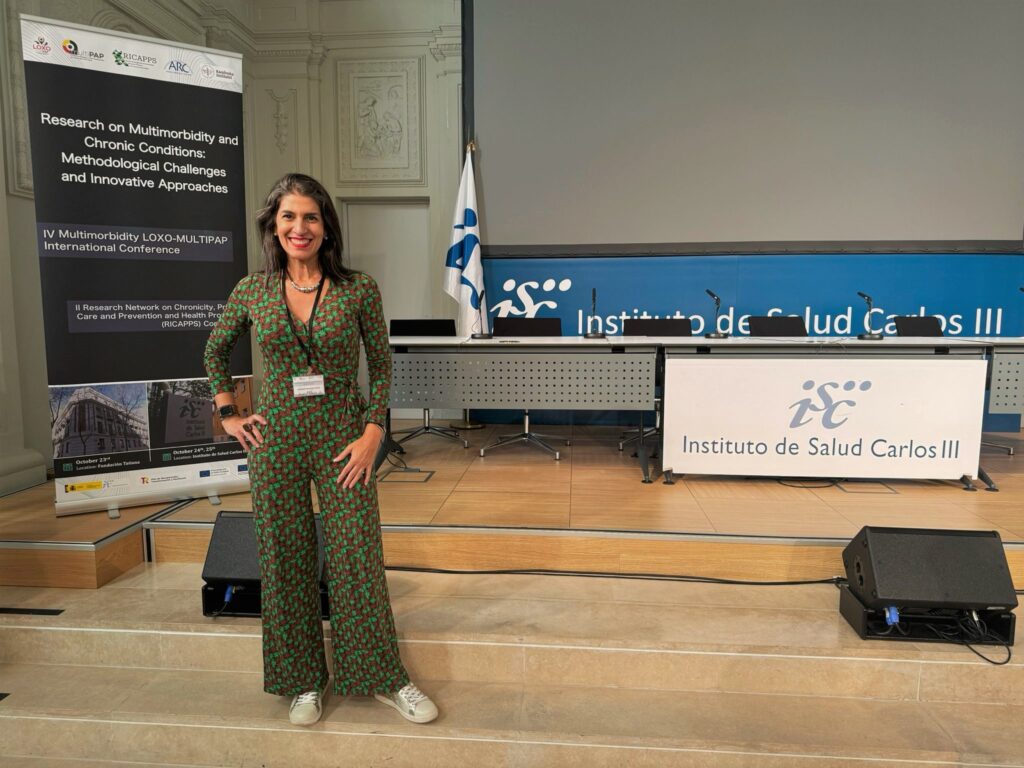
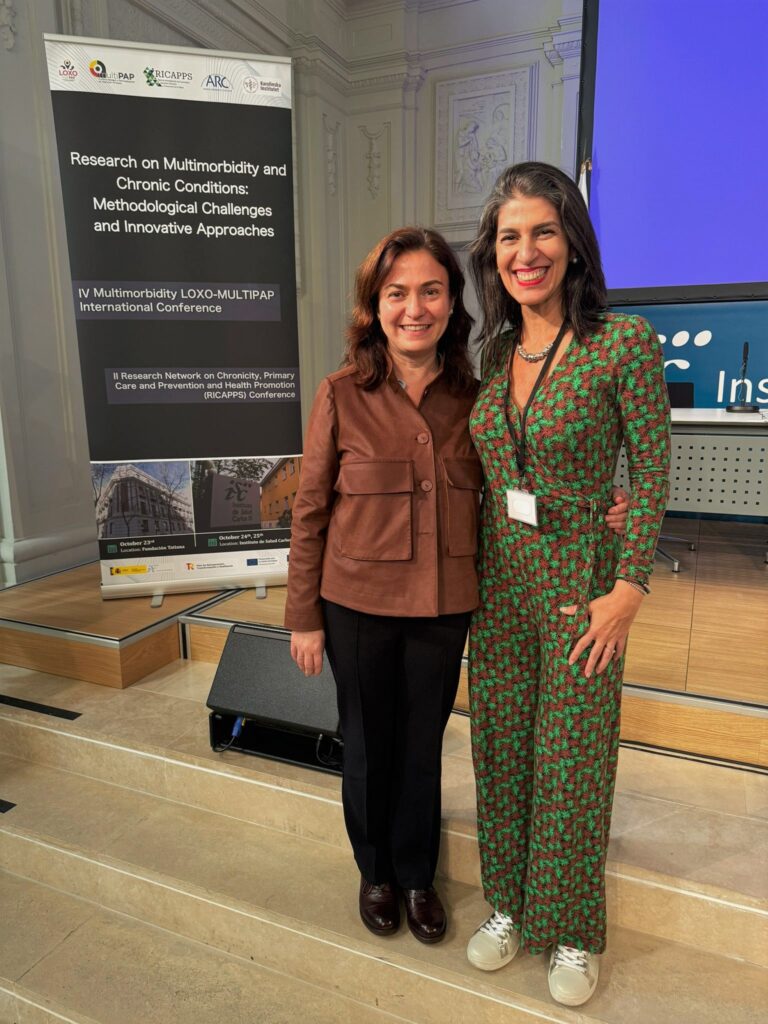
📸 Here are some highlights from the conference, featuring moments with Lilisbeth Perestelo Pérez in front of the official poster, alongside Ana Isabel González, and with our SESCS researcher, Violeta Cazaña Pérez.

🗓️ For those interested in exploring more about the event’s content, the full program is still available here.

This event has been an invaluable platform for sharing advancements and innovative approaches. We eagerly look forward to the next edition!


XL Annual Congress of the Spanish Society for Healthcare Quality 2024

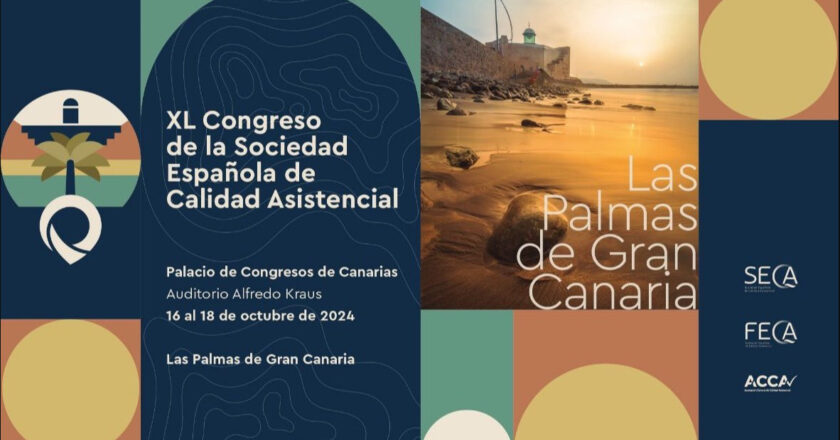
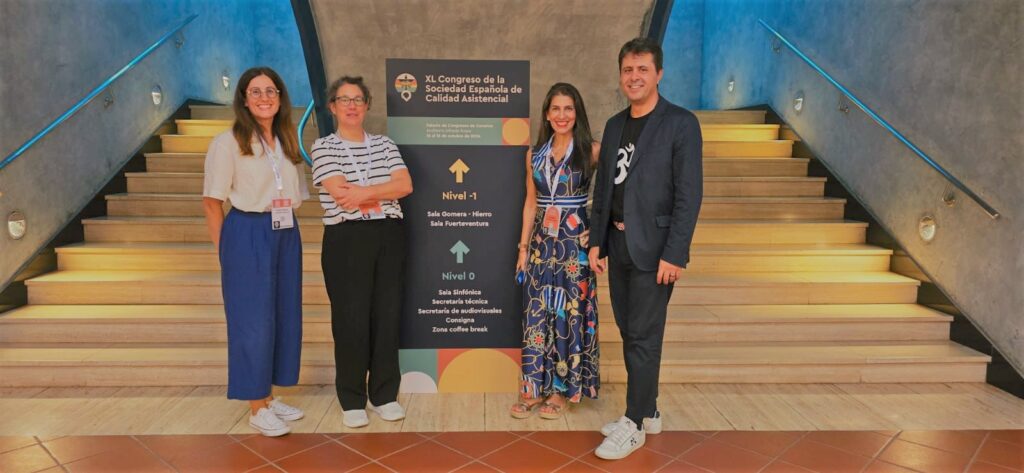
From October 16 to 18, the XL Annual Congress of the Spanish Society for Healthcare Quality  took place in Las Palmas de Gran Canaria. We are proud of the participation of our colleagues from the the Evaluation and Planning Service of the Canary Islands Health Service (SESCS): Lilisbeth Perestelo-Perez, who also served on the Scientific Committee, and Ana Toledo Chávarri.

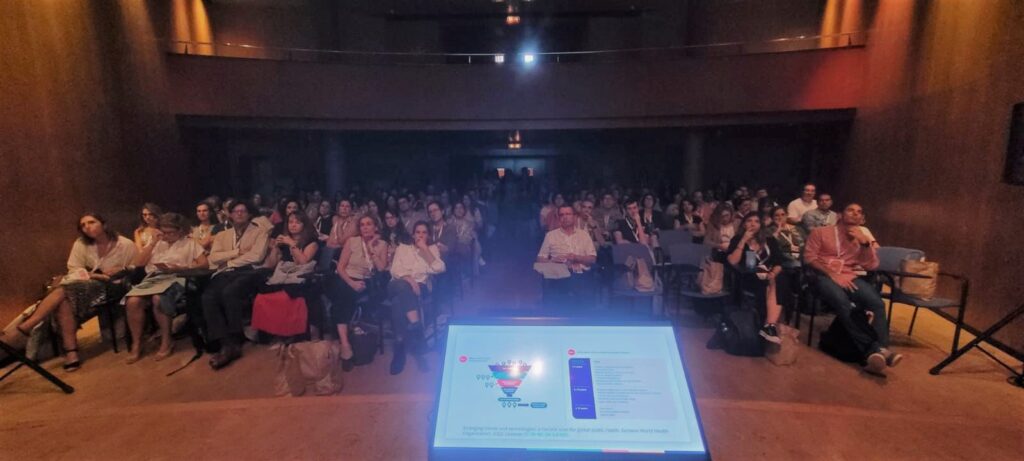
Below, we share some images from the Congress, highlighting Lilisbeth Perestelo-Perez’s role as moderator in the sessions “Advances in Health Technology Assessment (HTA)” and “Best Communications Session: Patient Perspective and Participation.”

Thematic session: Advances in Health Technology Assessment (HTA)

Best Communications Session: Patient Perspective and Participation

We would also like to acknowledge the valuable participation of Ana Toledo Chávarri in the thematic debate on “Patient Participation Processes in the Evaluation of Services and Health Technologies,” where she made a fundamental contribution to the development of this field.

We extend our thanks and congratulations to both of them for their excellent representation at the XL Annual Congress of the Spanish Society for Healthcare Quality. Their work is always key to advancing health technology assessment.

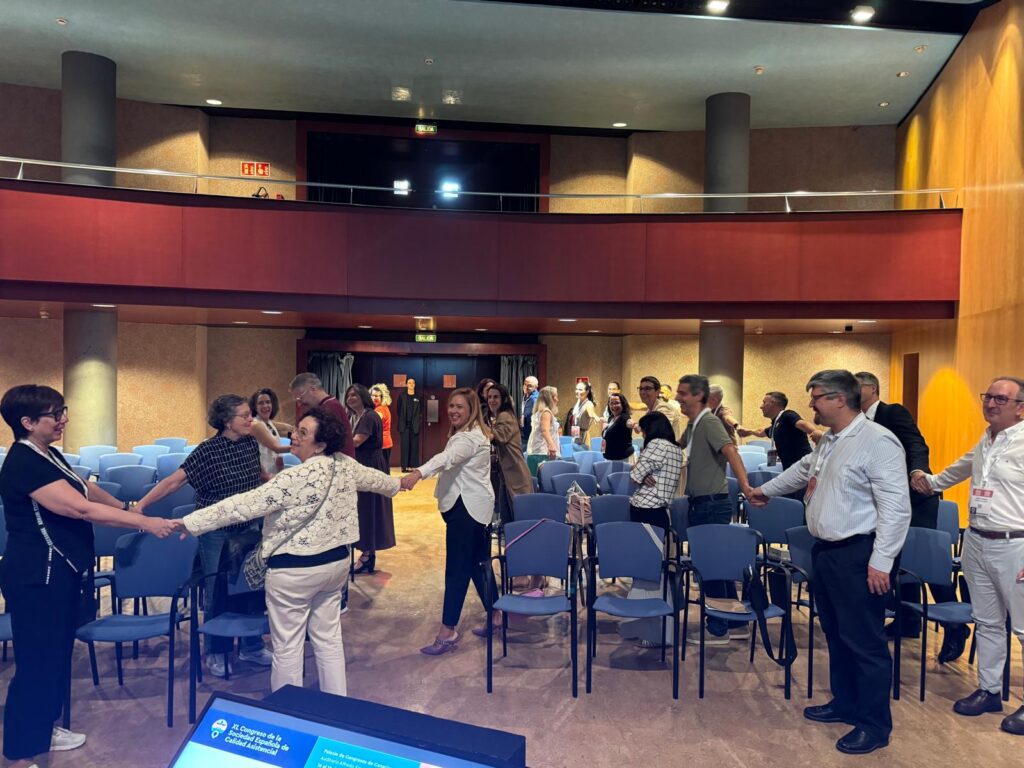
This edition of the congress concludes, where we had the opportunity to exchange valuable knowledge and experiences. We look forward to seeing you at the next edition as we continue advancing together in the field of health!

Summary of the Global Evidence Summit (GES) 2024

Last week, our SESCS team participated in the Global Evidence Summit (GES) 2024. This event brought together international experts to discuss and advance evidence-based research, and our researchers played a prominent role with their presentations.

We extend our gratitude to the participants, organizers, and attendees for making this event an unforgettable experience. We look forward to the next edition!

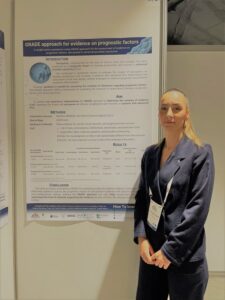
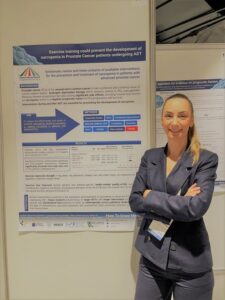
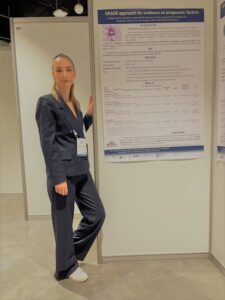
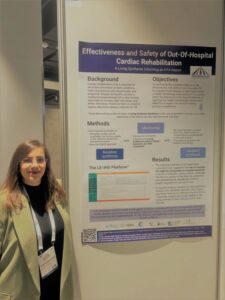
Below, you will find the titles of the posters presented by our researchers, as well as a photographic summary of their participation in this event:

Tasmania del Pino-Sedeño
1️⃣ A single-centre experience using GRADE approach for the assessment of evidence on prognostic factors: sarcopenia in advanced prostate carcinoma
2️⃣ Systematic review and meta-analysis of available interventions for the prevention and treatment of sarcopenia in patients with advanced prostate cancer
3️⃣ A single-center study using the GRADE approach to assess prognostic factors in the rare disease of adults with Burkitt lymphoma


Andrea Duarte Díaz
1️⃣ Effectiveness and Safety of Out-Of-Hospital Cardiac Rehabilitation: A Living Synthesis Informing an HTA Report
2️⃣ Designing Decision Aids Derived from Clinical Practice Guidelines: Insights from a Single-Center Experience in Spain and Future Perspectives

Mª del Mar Trujillo Martín
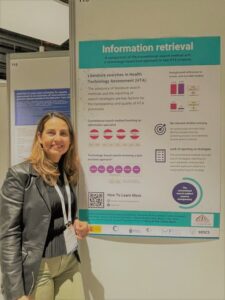
1️⃣ A comparison of the conventional search method and a technology-based tool approach for information retrieval in health technology assessment projects

Beatriz León Salas
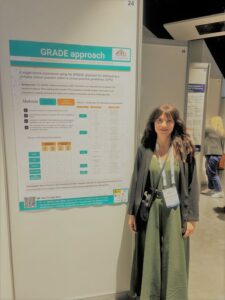
1️⃣ A single-centre experience using GRADE approach for addressing a complex clinical question within a clinical practice guidelines

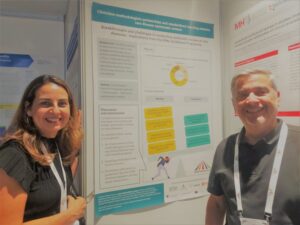
There was also time for reconnections. Here is our SESCS colleague, Mª del Mar Trujillo Martín , with Juan Antonio Blasco from AETSA, joining forces at GES2024 to continue advancing the evaluation of health technologies.

Here we see Beatriz León Salas from SESCS and Montserrat Carmona from the Instituto de Salud Carlos III, posing in front of the poster presented by Montserrat, the result of the RICAPPS/RedETS collaboration at GES2024. Outstanding work!

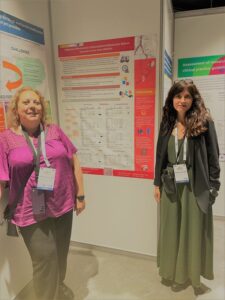
We conclude this brief report with a group photo, reflecting the commitment and collaboration of our team at this important event. Thank you, everyone!

Cost-utility analysis of asenapine versus olanzapine in the treatment of bipolar disorder type I

Full title: Cost-utility analysis of asenapine versus olanzapine in the treatment of bipolar disorder type I

Authors (in alphabetical order): Iván Castilla Rodríguez, Leticia Cuéllar-Pompa, Lidia García Pérez, Lilisbeth Perestelo Pérez, Pilar Pinilla Domínguez, Juan Manuel Ramos Goñi, Pedro Serrano Aguilar, Cristina Valcárcel Nazco

Contact person: Juan Manuel Ramos Goñi

Objectives

To compare the efficiency of asenapine versus olanzapine (Generic Pharmaceutical Specialty – EFG) in the treatment of manic episodes in bipolar disorder type I, from both the perspective of the National Health System (SNS) and the societal perspective.

Predictores sociodemográficos y clínicos de la adherencia a los antidepresivos en los trastornos depresivos: una revisión sistemática con un metanálisis

SESCS PUBLICATION: Recommendations on self-management interventions for adults living with obesity: COMPAR-EU project

Melixa Medina Aedo, Jessica Beltrán, Claudia Valli, Carlos Canelo Aybar, Canción Yang, Marta Ballester, Jacqueline Bowman-Busato, Cristo Cristogiannis, María G. Grammatikopoulou, Oliver Groene, Monique Heijmans, Martine Hoogendorn, Sarah Louise Killeen, Katerina-Maria Kontouli, Dimitris Mavridis, Miñambres Inka, Beate Sigrid Mueller, Ena Niño de Guzmán, Janneke Noordman, Carola Orrego, Lilisbeth Perestelo-Pérez, Zuleika Saz-Parkinson, Georgios Seitidis, Rosa Suñol, Sofía Tsokani, Pablo Alonso Coello

ABSTRACT

Self-management interventions (SMIs) may improve disease management in adults living with obesity. We formulated evidence-based recommendations for SMIs within the context of the COMPAR-EU project. The multidisciplinary panel selected critical outcomes based on the COMPAR-EU core outcome set and established decision thresholds for each outcome. Recommendations were informed by systematic reviews of effects, cost-effectiveness, and a contextual assessment. To assess the certainty of the evidence and formulate the recommendations, we used the GRADE approach guidance. Overall, SMIs were deemed to have a small impact, but the absence of harmful effects and potential cumulative benefits indicated a favourable balance of effects, despite low certainty. SMIs showed variations in structure, intensity, and resource utilisation, but overall are likely to be cost-effective. Adapting SMIs to local contexts would enhance equity, acceptability, and feasibility, considering patients’ values, and availability of resources and teamwork. Consequently, the panel made conditional recommendations favouring SMIs over usual care. The rigorous and explicit recommendations demonstrated the effectiveness of SMIs for adults living with obesity. However, the gaps in the literature influenced the panel to make only conditional recommendations in favour of SMIs. Further research is needed to strengthen the evidence base and improve recommendations’ certainty and applicability.

Keywords: guideline; obesity; recommendations; self‐management interventions.

You can read the full article here.

Or, if you prefer, you can access it via PUBMED.

Investigo Program: José Ignacio Capafons Sosa

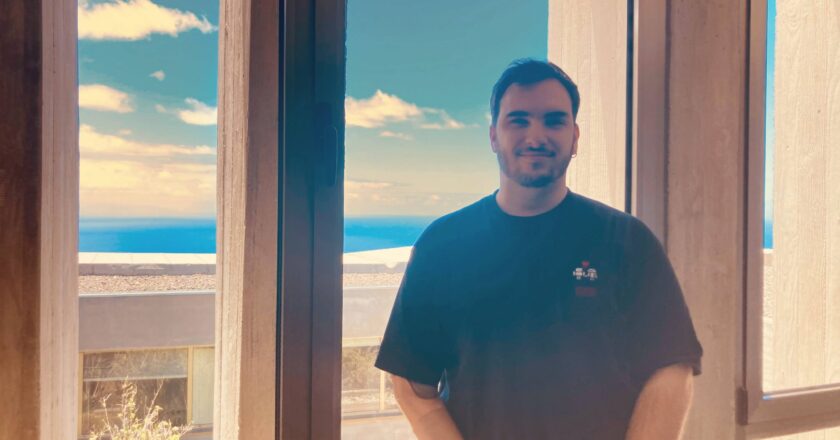
Juan Ignacio Capafons Sosa, a graduate in Psychology from the University of La Laguna (ULL), completed his Master’s in General Health Psychology and obtained the title of Expert in Third-Generation Contextual Therapies, both also at ULL. He is currently beginning his doctoral thesis.

Regarding the INVESTIGO program, what do you think of these types of initiatives?

I think they are a necessary opportunity for young people interested in research to gain experience in the field and learn from esteemed professionals.

How do you think your participation in the INVESTIGO program will contribute to your long-term professional development?

I believe that participating in this program has significantly boosted my professional career. This type of work experience places me exactly where I want to be and, above all, represents a tremendous help in achieving my long-term goals.

What aspects would you highlight about the contributions you are making to the projects you are working on?

It is impossible for me to answer this question without mentioning my work team. They have consistently included me and prioritized giving me tasks that align with my skills, so I am incredibly grateful to all of them.

What are the main challenges you have faced as a participant in this program, and how have you overcome them?

In my opinion, entering the world of evaluation and research for the first time is a significant challenge. The internal workings of research networks are much more complex than they might initially appear. Another challenging task is gaining self-confidence when performing certain activities independently, especially when you are surrounded by people you admire for their competence.

How has your experience been working at SESCS? How would you describe the work environment, and what do you think about the organizational aspect?

I believe working at SESCS has been a much greater opportunity than I could have ever imagined. In just a few months, I feel that I have learned more than I did in years of training. My colleagues have been constantly supportive in helping me adapt, and I have felt very welcomed from day one. Being surrounded by such special people, both in their work and outside of it, can only help propel my professional career to places I never thought possible. Therefore, I can only feel gratitude for being here.

Investigo Program: Lena Arnal Artiaga

Lena Arnal Artiaga, a graduate in Psychology from the University of Granada (UGR), always knew she was interested in clinical psychology and social intervention. Therefore, she pursued a Master’s degree in General Health Psychology, also at UGR. Throughout her training, she dismissed the possibility of working in research, feeling it was an almost impossible path. Thanks to this opportunity, she is challenging her preconceived ideas, opening new doors, and learning new skills.

Regarding the INVESTIGO program, what do you think of these types of initiatives?

I believe it is a great opportunity to introduce young people to the world of research, which is often seen as a difficult field to break into (at least that has been my impression throughout my training).

How do you think your participation in the INVESTIGO program will contribute to your long-term professional development?

Simply being in contact with so many professionals from different fields makes this experience very enriching. In my case, I am exposed to areas of knowledge in which I have little prior experience, so I am discovering new paths and interests as a psychologist.

What aspects would you highlight about the contributions you are making to the projects you are working on?

On one hand, my role involves supporting different projects, which I believe is important and necessary work as it helps free up the schedules of other professionals working on multiple projects at SESCS. On the other hand, in the projects where I am more actively involved, I try to bring enthusiasm, new ideas, and apply everything I have learned during my years of training as a psychologist.

What are the main challenges you have faced as a participant in this program, and how have you overcome them?

As I mentioned before, research is quite a new area for me, so everything I am encountering at SESCS is new and, therefore, challenging. I find my work on the qualitative aspects of the projects challenging since my training has always been linked to the quantitative method. Additionally, understanding the procedures and ways of working at SESCS is entirely new to me, so learning how it operates and the steps needed to carry out a research project has also been a challenge.

How has your experience been working at SESCS? How would you describe the work environment, and what do you think about the organizational aspect?

From the very beginning, we were welcomed with open arms, so my experience at SESCS has been quite positive, though I find the most support comes from my fellow “investigo” colleagues.
Investigo Program: Alejandra Abrante Luis

Alejandra Abrante Luis completed her Bachelor’s degree in Psychology at the University of La Laguna in 2021, followed by a Master’s degree in General Health Psychology at the European University of the Canary Islands in 2023. She also participated in two courses offered by the General Foundation of the University of La Laguna: “Evaluation and Treatment of Childhood and Adolescent Depression” in 2020, and “Psychosocial Intervention in Sexual and Gender Diversity” in 2021.

Regarding the INVESTIGO program, what do you think of these types of initiatives?

I believe they provide a great opportunity for people who want to train in research and have no prior experience.

How do you think your participation in the INVESTIGO program will contribute to your long-term professional development?

I think it will contribute positively, as I want to pursue a PhD in my field. Therefore, all the knowledge gained in the program will be very helpful to me.

What aspects would you highlight about the contributions you are making to the projects you are working on?

I think a positive aspect is that I had previously conducted a systematic review and had some knowledge, so it wasn’t a completely new beginning, which I believe eases the workload of my group. On the other hand, my enthusiasm for learning and engaging in various activities in the service motivates me to pursue self-learning and try to perform all the tasks proposed to me in the best possible way.

What are the main challenges you have faced as a participant in this program, and how have you overcome them?

Some of the challenges have been learning to use new programs for conducting meta-analyses or specific training on aspects related to scientific evidence and systematic reviews. However, with the help of my colleagues in the service or through training videos, I have been learning everything without difficulty.

How has your experience been working at SESCS? How would you describe the work environment, and what do you think about the organizational aspect?

The experience has been very satisfying. The environment is very good, both generally and within my own workgroup, and on an organizational level, it seems that the work plan is quite structured. In fact, even if new work requests arise, they are quickly organized, which demonstrates the flexibility of the service and its employees.

Predictores sociodemográficos y clínicos de la adherencia a los antidepresivos en los trastornos depresivos: una revisión sistemática con un metanálisis

SESCS PUBLICATION: Effectiveness of interventions to improve adherence to antidepressant medication in patients with depressive disorders: a cluster-randomized controlled trial

Tasmania del Pino-Sedeño, Himar González-Pacheco, Beatriz González de León, Pedro Serrano Pérez, Francisco Javier Acosta Artiles, Cristina Valcárcel-Nazco, Isabel Hurtado Navarro, Cristobalina Rodríguez Álvarez, María M. Trujillo-Martín.

ABSTRACT

Aim: To assess the effectiveness of two interventions of knowledge transfer and behavior modification to improve medication adherence in patients with depressive disorders.

Methods: An open, multicenter, three-arm clinical trial with random allocation by cluster to usual care or to one of the two interventions. The intervention for psychiatrists (PsI) included an educational program based on a patient-centered care model. The intervention for patients and relatives (PtI) included a collaborative care program plus a reminder system that works using an already available medication reminder application. The primary outcome was patient adherence to antidepressant treatment assessed through the Sidorkiewicz Adherence Instrument. Secondary measures were depression severity, comorbid anxiety and health-related quality of life. Mixed regression models with repeated measures were used for data analysis.

Results: Ten psychiatrists and 150 patients diagnosed with depressive disorder from eight Community Mental Health Units in the Canary Islands (Spain) were included. Compared with usual care, no differences in long-term adherence were observed in either group PsI or PtI. The PsI group had significantly improved depression symptoms (B = −0.39; 95%CI: −0.65, −0.12; p = 0.004) during the follow-up period. The PtI group presented improved depression symptoms (B = −0.63; 95%CI: −0.96, −0.30; p < 0.001) and mental quality of life (B = 0.08; 95%CI: 0.004, 0.15; p = 0.039) during the follow-up period.

Conclusion: The assessed interventions to improve adherence in patients with depressive disorder were effective for depression symptoms and mental quality of life, even over the long term. However, no effect on antidepressant adherence was observed.

You can read the full text here.

Investigo Program: Promoting Youth Research in the Canary Islands

Introducing the INVESTIGO Program: Promoting Young Research in the Canary Islands

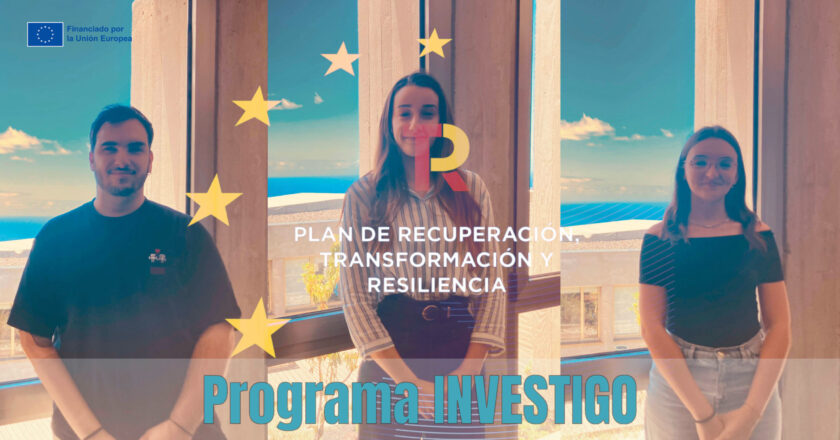
The Canary Islands Health Research Institute Foundation (FIISC), affiliated with the Department of Health of the Government of the Canary Islands, received a grant of 397,307 euros from SEPE in the past year 2023 for the INVESTIGO program, as part of the Recovery, Transformation, and Resilience Plan – Next Generation EU.

Thanks to this grant, twelve young researchers, up to 30 years old, were hired for a period of twelve months. Their goal is to develop and implement research and innovation initiatives within the Boosting Biomedical Research in the Canary Islands project. This project aims to improve the generation of scientific knowledge, healthcare quality, and public health, as well as contribute to the sustainability and solvency of the Canary Islands Health Service and promote employability in the healthcare sector.

Today, we want to highlight the work of three young researchers who have joined the Evaluation and Planning Service of the Canary Islands Health Service.

Let’s get to know their stories and the impact of their work! 👇

Alejandra Abrante Luis

Alejandra Abrante Luis
🗨️”The enthusiasm I have for learning and engaging in various activities at SESCS motivates me to pursue self-learning and tackle the proposed tasks in the best possible way.”
🔗 [Read the full interview]


Lena Arnal Artiaga
🗨️ “Understanding how SESCS operates and the steps required to successfully carry out a research project, especially concerning the qualitative aspects, has been an interesting challenge.”
🔗 [Read the full interview]


Juan Ignacio Capafons Sosa
🗨️”Being surrounded by such special people, both in their work and outside of it, can only help propel my professional career towards places I never thought possible.”
🔗 [Read the full interview]